
Uncategorized
Tibetan Mastiff Sale Price
Apr
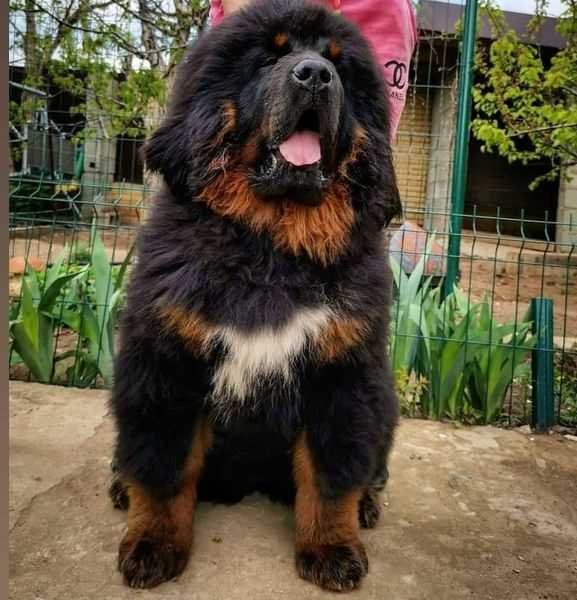
Tibetan Mastiff Sale Price, The Tibetan Mastiff sale price is one of the most searched topics among dog enthusiasts, especially those interested in rare and giant dog breeds. However, understanding the price of this majestic breed requires more than just a number—it involves genetics, lineage, location, breeder reputation, and long-term care costs.
In this educational guide, we’ll break down everything you need to know about the Tibetan Mastiff’s pricing and what truly affects its market value.
What is a Tibetan Mastiff?
The Tibetan Mastiff is a large, powerful, and ancient guardian breed originally developed in the Himalayan regions of Tibet, Nepal, and India. Historically, these dogs were used to protect livestock, monasteries, and nomadic camps from predators such as wolves and leopards.
They are known for:
- Massive size and thick double coat
- Strong protective instincts
- Independence and intelligence
- Loyal but often reserved temperament
Because of their rarity and impressive appearance, they are considered one of the most expensive dog breeds in the world.
Tibetan Mastiff Sale Price Range (Global Overview)
The Tibetan Mastiff sale price can vary widely depending on several factors. On average:
- Basic pet-quality puppies: $1,500 – $5,000
- Show-quality puppies: $5,000 – $15,000
- High pedigree or champion bloodline dogs: $15,000 – $50,000+
- Rare elite cases (record-breaking lineage): can exceed $1 million historically (mostly in China during luxury pet demand peaks)
It is important to note that extreme prices are rare and often influenced by hype, not standard market value.
Key Factors That Affect Tibetan Mastiff Sale Price
1. Bloodline and Pedigree
Dogs with champion ancestry or rare genetic traits are significantly more expensive. Verified lineage increases both quality and demand.
2. Breeder Reputation
Reputable breeders who follow ethical breeding practices, health testing, and proper care usually charge higher prices—but also provide healthier puppies.
3. Location
Prices vary by region:
- USA & Europe: Higher due to import costs and regulations
- India & Nepal: Relatively lower but still premium for quality breeders
- China: Historically high demand influenced pricing trends
4. Coat Color and Appearance
Rare colors (such as pure black, red, or golden shades) can increase the price significantly.
5. Health and Vaccination Status
Fully vaccinated, genetically tested puppies cost more but reduce long-term veterinary risks.
Hidden Costs Beyond Purchase Price
When evaluating the Tibetan Mastiff sale price, buyers often overlook ongoing expenses:
- High-quality food (large breed diet)
- Grooming and coat maintenance
- Veterinary care and vaccinations
- Training and socialization
- Large living space requirements
Owning this breed is a long-term financial commitment, not just a one-time purchase.
Is a Tibetan Mastiff Worth the Price?
The value of a Tibetan Mastiff depends on the owner’s expectations. This breed is not suitable for first-time dog owners due to its independent nature and strong guarding instincts.
It is best suited for:
- Experienced dog handlers
- Owners with large outdoor space
- People seeking a guardian breed rather than a companion lap dog
Final Thoughts
The Tibetan Mastiff sale price reflects more than just rarity—it represents lineage, care, and demand for one of the world’s most powerful guardian breeds. While prices can be extremely high, responsible ownership should always be the top priority.
Before considering purchase, always research breeders carefully and ensure ethical sourcing.
You Might Also Like These:
