
Uncategorized
Dog in Tibetan
Apr
Dog in Tibetan, Understanding simple words across different languages is a great way to explore culture. One such commonly searched phrase is “dog in Tibetan”, which helps learners, travelers, and language enthusiasts connect with Tibetan vocabulary and traditions.
In this blog, we will explore the meaning of “dog in Tibetan,” its pronunciation, cultural context, and related insights.
What is “Dog” in Tibetan Language?
In the Tibetan language, the word for dog is:
ཁྱི་ (pronounced: khyi)
So, when someone says “dog in Tibetan”, they are referring to the word khyi.
This word is used in everyday Tibetan speech to describe domestic dogs, which are common in Himalayan regions.
Tibetan Language Overview
Tibetan is spoken mainly in the Tibet Autonomous Region and surrounding Himalayan areas. It has its own script and rich linguistic history.
Tibet is home to unique cultural traditions, monasteries, and languages, including classical and spoken Tibetan forms.
Learning basic words like “dog” helps beginners understand how the language is structured.
Dogs in Tibetan Culture
Dogs have historically been important in Tibetan life. In rural and mountainous areas, they are often used for:
- Guarding homes and monasteries
- Protecting livestock
- Providing companionship in harsh climates
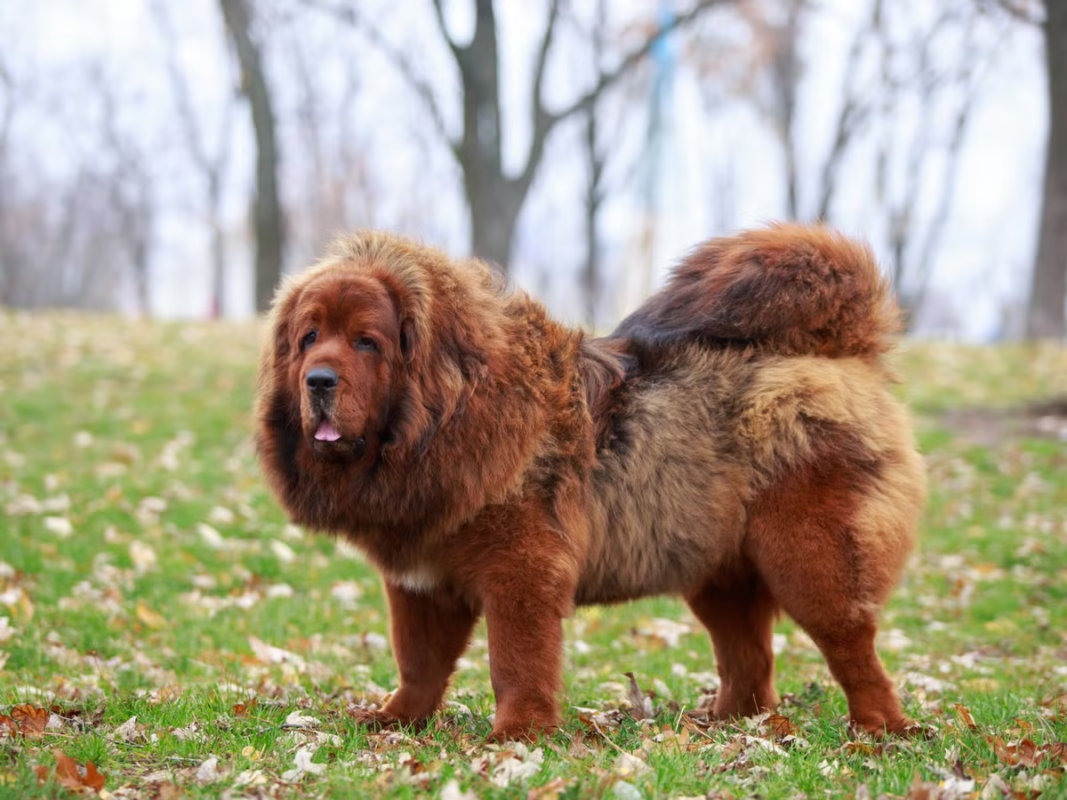
One of the most well-known dog breeds from this region is the:
Tibetan Mastiff
This breed is famous for its strength, loyalty, and protective nature. It has been traditionally used by nomadic families and monasteries as a guardian dog.
Pronunciation Guide: “Khyi”
To pronounce “dog in Tibetan” correctly:
- Kh → a soft, breathy sound
- yi → like “yee”
So together: khyi (ཁྱི་)
It is a simple word but very important in daily communication.
Why Learning Simple Words Matters
Learning words like “dog in Tibetan” is useful because:
- It builds basic language understanding
- It helps travelers communicate in Himalayan regions
- It provides cultural awareness
- It makes language learning easier and more enjoyable
Even small vocabulary steps create a strong foundation in any language.
Conclusion
The phrase “dog in Tibetan” translates to khyi (ཁྱི་). It is a simple but meaningful word that reflects both language and culture in the Tibetan-speaking world.
Whether you’re learning Tibetan for education, travel, or curiosity, starting with basic words like this helps you connect more deeply with the language and its rich cultural background.
You Might Also Like These:
price of tibetan mastiff puppy
tibetan mastiff for sale uk kennel club
chinese tibetan mastiff breeders
