
Uncategorized
Mastif Tibetan
Apr
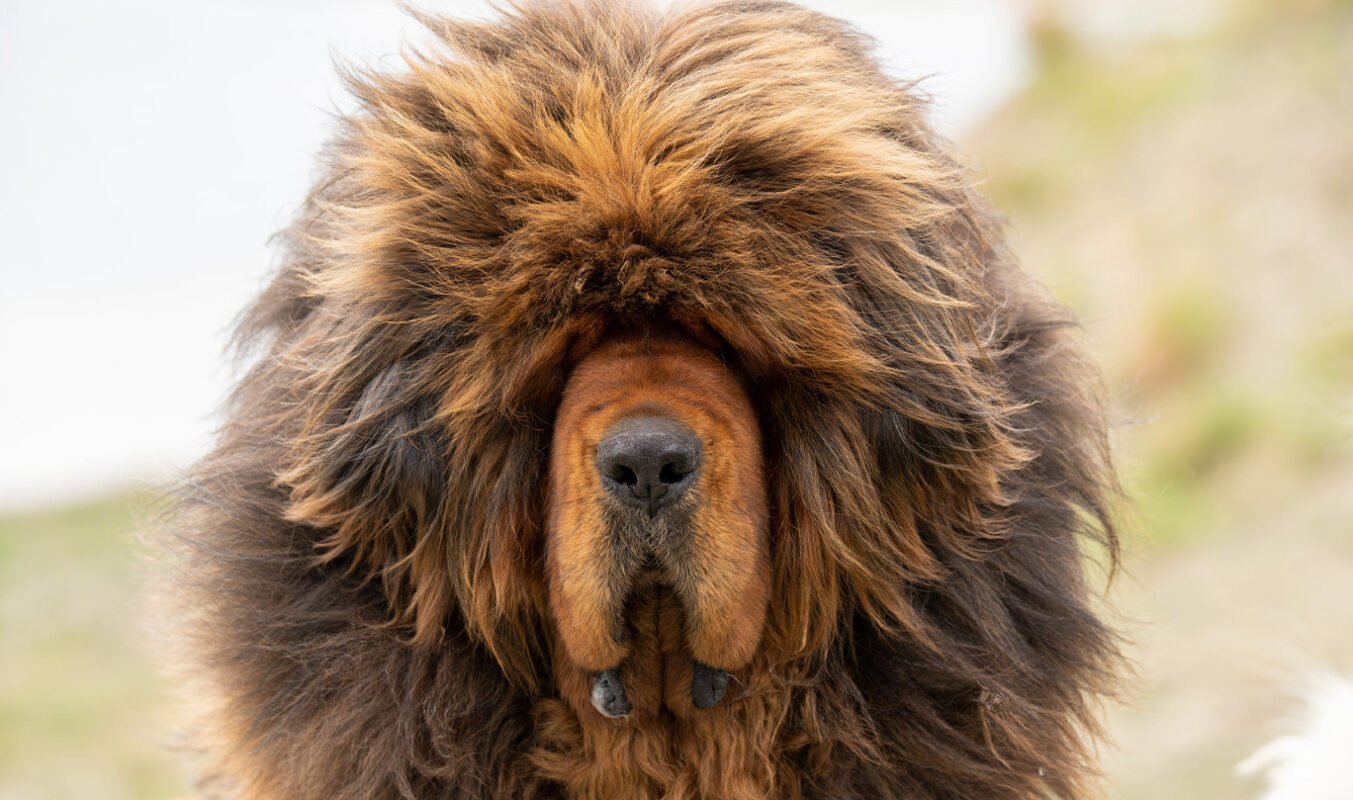
Mastif Tibetan, The mastif tibetan is one of the most powerful, ancient, and fascinating dog breeds in the world. Known for its massive size, thick coat, and fearless guarding instincts, this breed has a long history of protecting livestock, monasteries, and nomadic families in the Himalayan region.
In this educational guide, we’ll explore the origin, characteristics, temperament, and care requirements of the mastif tibetan to better understand why it is considered a legendary guardian breed.
Origin of the Mastif Tibetan
The mastif tibetan traces its roots back thousands of years to the Himalayan mountains of Tibet, Nepal, and parts of China. It is believed to be one of the oldest working dog breeds in existence.
Traditionally, these dogs were used by Tibetan nomads and monks to guard sheep, yaks, and monasteries from predators such as wolves and leopards. Their isolation in high-altitude regions helped preserve their pure lineage and strong guarding instincts.
Physical Characteristics
The mastif tibetan is instantly recognizable due to its impressive physical appearance.
Key features include:
- Extremely large and muscular build
- Thick double coat designed for harsh cold climates
- Lion-like mane around the neck (especially in males)
- Deep-set eyes and strong jaw
- Weight often ranging between 45–75 kg or more
Because of its size and coat, the mastif tibetan is well adapted to survive freezing Himalayan winters.
Temperament and Behavior
Despite its intimidating appearance, the mastif tibetan is known for its calm and independent personality.
Important behavioral traits:
- Highly protective of family and territory
- Loyal but not overly affectionate like other breeds
- Naturally suspicious of strangers
- Intelligent but stubborn and independent
This breed is not recommended for first-time dog owners due to its strong will and guarding instincts. Proper training and socialization from an early age are essential.
Training and Socialization
Training a mastif tibetan requires patience and consistency. Unlike many breeds that respond quickly to commands, this dog prefers to think independently.
Best practices include:
- Early socialization with people and other animals
- Positive reinforcement techniques
- Clear leadership without harsh punishment
- Regular exposure to different environments
Without proper training, the mastif tibetan can become overly territorial.
Diet and Exercise Needs
The mastif tibetan does not require extremely high levels of exercise, but it does need space and a balanced diet.
Diet:
- High-quality protein-rich food
- Balanced nutrients for large breeds
- Controlled portions to prevent obesity
Exercise:
- Moderate daily walks
- Secure outdoor space to roam
- Mental stimulation activities
Because of its size, joint health is very important throughout its life.
Health Considerations
Like many giant breeds, the mastif tibetan can be prone to certain health issues, such as:
- Hip and elbow dysplasia
- Thyroid imbalances
- Eye conditions
- Bloating (gastric issues)
Regular veterinary checkups and a healthy lifestyle can significantly improve lifespan and quality of life.
Why the Mastif Tibetan Is So Special
The mastif tibetan is not just a dog—it is a symbol of strength, loyalty, and ancient heritage. Its ability to guard without fear and remain independent has made it highly respected across cultures.
Today, while it is sometimes kept as a companion or status symbol, its true nature remains that of a guardian bred for survival in one of the harshest environments on Earth.
Conclusion
The mastif tibetan is a remarkable breed that combines power, intelligence, and history. Whether admired for its majestic appearance or respected for its guarding abilities, it continues to stand as one of the most iconic dog breeds in the world.
Understanding this breed helps us appreciate not only its physical strength but also its deep cultural and historical significance in Himalayan regions.
You Might Also Like These:
