
Uncategorized
Why Are Tibetan Mastiffs So Expensive?
Apr
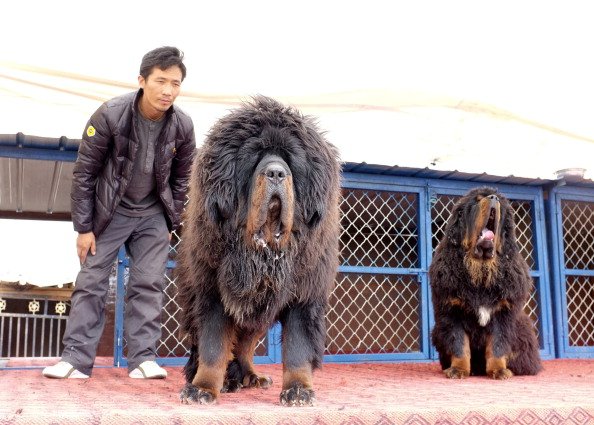
Why Are Tibetan Mastiffs So Expensive?, The keyword “why are tibetan mastiff so expensive” is something many people search when they first see the price of this giant, lion-like dog breed. A single Tibetan Mastiff can cost anywhere from a few thousand dollars to even hundreds of thousands in rare cases. But what actually makes them so expensive? Let’s break it down in a clear, educational way.
What Is a Tibetan Mastiff?
The Tibetan Mastiff is an ancient working dog breed originally developed in the Himalayan regions of Tibet, Nepal, and surrounding areas. They were primarily used to guard livestock, monasteries, and villages from predators like wolves and leopards.
They are known for:
- Massive size and strong build
- Thick double coat (especially in cold climates)
- Independent and protective nature
- Deep loyalty to their family or territory
1. Extremely Rare Breed Outside Asia
One of the biggest reasons behind their high price is rarity.
Tibetan Mastiffs are not widely bred across the world. Responsible breeders are limited, especially outside China and Tibet. Low supply + high demand = high price.
In many countries, importing a well-bred Tibetan Mastiff is difficult, costly, and heavily regulated.
2. High Maintenance Breeding Cost
Breeding Tibetan Mastiffs is not simple or cheap. It involves:
- Large amount of food for adult dogs
- Special care during pregnancy and puppy development
- Veterinary monitoring (they are prone to certain health issues if not bred responsibly)
- Long maturity period (they take time to fully develop)
All of this increases the cost per puppy significantly.
3. Pure Bloodline and Pedigree Value
The price increases dramatically when the dog comes from a champion bloodline or certified pedigree.
Dogs with:
- Verified lineage
- Show-winning parents
- Strong genetic health history
are considered premium quality, and buyers pay much more for them.
4. Cultural and Historical Prestige
Tibetan Mastiffs have a long history connected to royalty, monasteries, and nomadic guardianship in the Himalayas.
In some regions, they are seen as a status symbol, which has historically pushed their market value even higher.
5. Size, Strength, and Training Needs
This breed is not an average pet dog.
- They can weigh 45–70+ kg
- Require experienced handling
- Need early socialization and training
- Not suitable for apartment living in most cases
Because they require experienced breeders and owners, the overall cost of responsible breeding and rearing is higher.
6. Marketing Hype and Extreme Auction Prices
At one point, especially in China, Tibetan Mastiffs became a luxury status trend, and some dogs were reportedly sold for extremely high prices due to hype and prestige buying.
Even though that market has cooled down, it still influences public perception of their value.
7. Import, Transport, and Legal Costs
If someone is buying outside their native region, additional costs include:
- International shipping
- Quarantine requirements
- Import documentation
- Insurance and health certifications
These costs can easily double or triple the final price.
Final Thoughts
The Tibetan Mastiff is expensive not because of a single reason, but due to a combination of:
- Rarity
- High breeding costs
- Pedigree value
- Cultural prestige
- Maintenance difficulty
- Global demand and import costs
While they are impressive and majestic dogs, they are also high-responsibility animals that require experienced care.
You Might Also Like These:
tibetan mastiff puppies for sale uk
tibetan mastiff for sale england
