
Uncategorized
Tibetan Mastiff USA
Apr
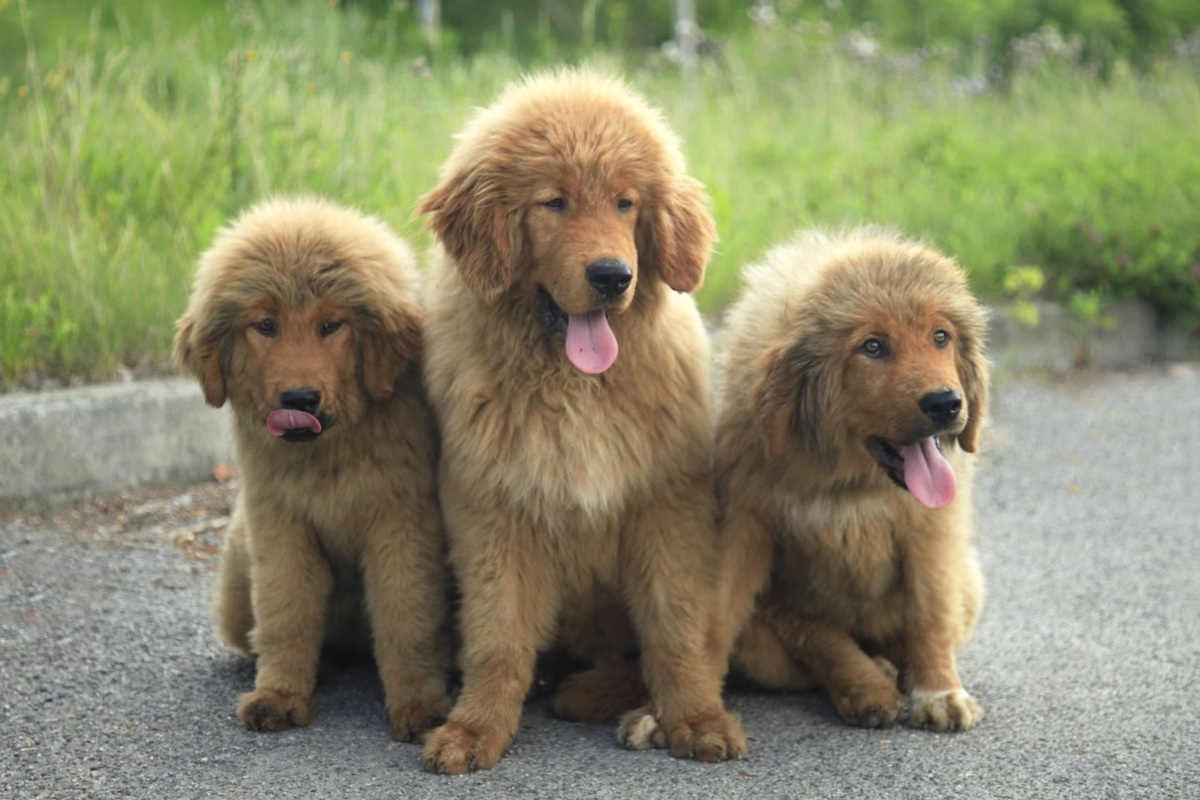
Tibetan Mastiff USA, The Tibetan Mastiff USA search trend has grown significantly in recent years as more dog enthusiasts become interested in this ancient and powerful breed. Known for its massive size, thick coat, and independent personality, the Tibetan Mastiff is one of the most fascinating guardian dogs in the world.
This article provides an educational overview of the breed, its presence in the United States, and what potential owners should understand before considering one.
Origin of the Tibetan Mastiff
The Tibetan Mastiff is an ancient working dog breed originating from the Himalayan regions of Tibet, Nepal, and surrounding areas. Historically, these dogs were used by nomadic cultures and monasteries to protect livestock, property, and even entire villages from predators such as wolves and snow leopards.
Their natural instincts are deeply rooted in guarding and territorial protection, which is still evident in modern dogs today.
Tibetan Mastiff in the USA
In the United States, the Tibetan Mastiff is considered a rare and luxury breed. It is not commonly seen compared to popular breeds like Labrador Retrievers or German Shepherds.
The interest in Tibetan Mastiff USA increased after reports of extremely high-priced puppies being sold in certain markets. However, beyond the hype, responsible ownership requires serious understanding of the breed’s temperament and needs.
In the U.S., reputable breeders follow strict health and breeding standards, but availability remains limited due to the breed’s low reproduction rate and complex care requirements.
Temperament and Behavior
Tibetan Mastiffs are known for:
- Strong independence
- Natural guarding instincts
- Loyalty to family
- Reserved behavior toward strangers
Unlike many companion breeds, they are not overly obedient or eager to please. Instead, they think independently, which can make training challenging for inexperienced owners.
They are best suited for owners who understand guardian breeds and can provide consistent leadership.
Physical Characteristics
Key traits of the Tibetan Mastiff include:
- Large, powerful build
- Dense double coat for cold climates
- Mane-like fur around the neck (especially in males)
- Weight often ranging from 70–150+ pounds
Their appearance is often described as lion-like, which adds to their majestic reputation.
Care Requirements in the USA
Owning a Tibetan Mastiff in the United States comes with specific responsibilities:
1. Space Needs
They are not ideal apartment dogs. A large, securely fenced yard is highly recommended.
2. Exercise
Moderate exercise is enough, but they prefer structured outdoor space over intense activity.
3. Grooming
Their thick coat requires regular brushing, especially during shedding seasons.
4. Training
Early socialization is critical. Without it, they can become overly territorial or aloof with strangers.
5. Climate Adaptation
They adapt better to cooler climates due to their heavy coat.
Legal Considerations in the USA
In most parts of the United States, Tibetan Mastiffs are legal to own. However, some local housing rules, insurance policies, or homeowner associations may have restrictions on large or guardian breeds.
Before bringing one home, it is important to check local regulations and housing agreements.
Is the Tibetan Mastiff Right for You?
The Tibetan Mastiff is not a beginner-friendly dog. It is best suited for:
- Experienced dog owners
- People with large properties
- Those who understand guardian breed psychology
- Owners who can provide time, training, and structure
If properly trained and socialized, they can be loyal and protective family companions. However, without proper handling, they may become overly dominant or difficult to manage.
Final Thoughts
The growing interest in Tibetan Mastiff USA reflects admiration for one of the world’s most ancient and powerful dog breeds. However, ownership should never be based on appearance or trend alone.
This breed requires commitment, knowledge, and responsible care. For the right owner, the Tibetan Mastiff can be a deeply loyal and impressive companion, but it is not a casual pet choice.
You Might Also Like These:
tibetan mastiff puppy for sale
