
Uncategorized
Tibetan Mastiff Dog Breeds
Apr
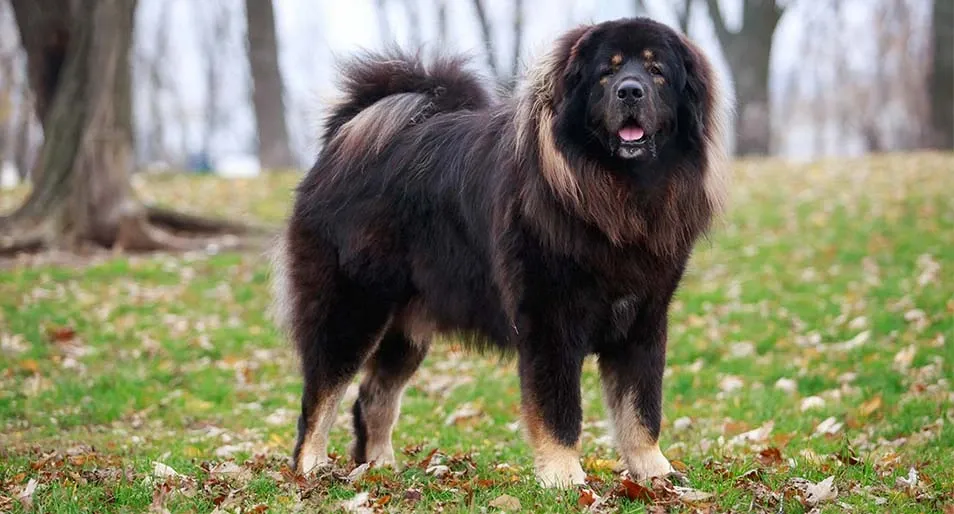
Tibetan Mastiff Dog Breeds, The Tibetan Mastiff dog breeds are among the most majestic and ancient canine lineages in the world. Known for their imposing size, thick coats, and strong protective instincts, these dogs have fascinated dog lovers for centuries. Originally bred in the Himalayan regions, Tibetan Mastiffs are not just pets—they are guardians, companions, and symbols of strength.
Origin and History
The Tibetan Mastiff dog breeds trace their roots back thousands of years to the high-altitude regions of Tibet, Nepal, and northern India. Nomadic tribes and monks relied on these dogs to protect livestock and monasteries from predators such as wolves and leopards. Their isolation in the mountains helped preserve their pure lineage, making them one of the oldest and least altered dog breeds in existence.
Physical Characteristics
Tibetan Mastiffs are large, powerful dogs with a commanding presence. Males can weigh between 90 to 150 pounds, while females are slightly smaller. Some defining features include:
- Thick double coat: Designed to withstand harsh cold climates
- Lion-like mane: Especially prominent in males
- Broad head and strong jaw: Reflecting their guarding heritage
- Deep-set eyes: Giving them a serious and watchful expression
Their coat colors vary and may include black, brown, blue-gray, and gold, often with tan markings.
Temperament and Personality
One of the most distinctive aspects of Tibetan Mastiff dog breeds is their temperament. They are:
- Loyal and protective: Extremely devoted to their family
- Independent thinkers: Not always eager to follow commands
- Reserved with strangers: Naturally wary, making them excellent guard dogs
- Calm yet alert: They are quiet indoors but always aware of their surroundings
These dogs are not overly affectionate in a typical sense but show deep bonds with their owners.
Training and Socialization
Training a Tibetan Mastiff requires patience and consistency. Due to their independent nature, they may not respond well to harsh training methods. Instead:
- Use positive reinforcement techniques
- Start early socialization to prevent aggression
- Establish firm but gentle leadership
They are intelligent but not eager to please, so training sessions should be engaging and respectful.
Exercise and Living Conditions
Despite their size, Tibetan Mastiffs do not require excessive exercise. Daily walks and a secure yard are usually sufficient. However:
- They are best suited for homes with large, fenced spaces
- Apartment living is generally not ideal
- They prefer cool climates due to their thick coats
These dogs are known to be more active at night, a trait inherited from their guarding duties.
Grooming Needs
The Tibetan Mastiff’s coat requires regular maintenance:
- Weekly brushing to prevent matting
- Increased grooming during seasonal shedding
- Occasional baths to maintain cleanliness
Their coat is relatively low-odor compared to other large breeds.
Health and Lifespan
Tibetan Mastiff dog breeds are generally healthy but may be prone to certain conditions such as:
- Hip and elbow dysplasia
- Thyroid issues
- Eye disorders
Their average lifespan ranges from 10 to 14 years, which is relatively long for a large breed.
Is a Tibetan Mastiff Right for You?
Owning a Tibetan Mastiff is a significant responsibility. They are best suited for experienced dog owners who understand strong-willed breeds. If you are looking for:
- A loyal guardian
- A low-maintenance yet independent companion
- A dog with a rich history and striking appearance
Then the Tibetan Mastiff dog breeds may be an excellent choice.
Conclusion
The Tibetan Mastiff stands as a symbol of power, loyalty, and ancient heritage. While they are not the right fit for every household, those who can meet their needs will find a devoted and impressive companion. With proper care, training, and understanding, these magnificent dogs can become lifelong protectors and family members.
You Might Also Like These:
