
Uncategorized
Mastiff Tibetan
Apr
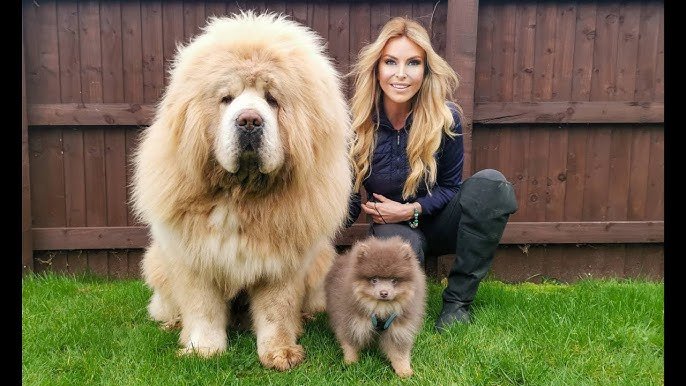
Mastiff Tibetan, The mastiff tibetan is one of the most impressive and ancient dog breeds in the world. Known for its large size, thick coat, and protective instincts, the mastiff tibetan has captured the admiration of dog lovers for centuries. Originally bred in the Himalayan regions, this powerful breed was used to guard livestock, monasteries, and homes from predators and intruders.
History of the Mastiff Tibetan
The mastiff tibetan has a rich history dating back thousands of years. Native to Tibet, Nepal, India, and surrounding mountain areas, these dogs were highly valued by nomadic tribes and monks. Their main purpose was to protect sheep and yak herds from wolves, leopards, and other threats.
Because of their isolation in the mountains, the mastiff tibetan remained relatively pure for many generations. This helped preserve the breed’s distinctive appearance and strong guarding instincts.
Physical Appearance
The mastiff tibetan is a giant breed with a commanding presence. Some common features include:
- Large and muscular body
- Thick double coat for cold climates
- Broad head with deep-set eyes
- Strong legs and heavy bone structure
- Bushy tail curled over the back
Their coat colors may include black, brown, red, blue-gray, and gold. Males are generally larger than females and can weigh between 90 to 150 pounds or more.
Temperament and Personality
The mastiff tibetan is known for being loyal, independent, and protective. These dogs form strong bonds with their families and are naturally suspicious of strangers. This makes them excellent watchdogs.
However, the mastiff tibetan is not overly needy or playful like some other breeds. They are calm, intelligent, and often prefer observing their surroundings quietly.
Key personality traits:
- Courageous
- Protective
- Intelligent
- Independent
- Loyal
- Calm indoors
Training and Socialization
Training a mastiff tibetan requires patience and consistency. Because they are intelligent but independent thinkers, they may not always obey commands immediately.
Early socialization is very important. Introducing the mastiff tibetan to different people, environments, and animals from puppyhood helps create a balanced adult dog.
Best training tips:
- Use positive reinforcement
- Be firm but gentle
- Start socialization early
- Keep training sessions short and engaging
- Maintain leadership consistently
Exercise Needs
Although large, the mastiff tibetan does not require intense daily exercise. Moderate walks and access to a secure yard are usually enough. They are more active in cooler weather and may become less energetic during hot seasons.
Avoid over-exercising puppies, as their joints need time to develop properly.
Grooming Requirements
The thick coat of the mastiff tibetan needs regular care. Weekly brushing is often sufficient, but during shedding season, more frequent grooming is needed.
Grooming checklist:
- Brush coat weekly
- Bathe occasionally
- Clean ears regularly
- Trim nails monthly
- Brush teeth often
Health Considerations
Like many giant breeds, the mastiff tibetan can be prone to certain health conditions, including:
- Hip dysplasia
- Elbow dysplasia
- Thyroid issues
- Eye conditions
- Bloat
Regular veterinary checkups and a healthy diet can help support long-term wellness.
Is the Mastiff Tibetan Right for You?
The mastiff tibetan is best suited for experienced dog owners who understand guardian breeds. They need space, structure, and proper training. Apartment living may not be ideal unless exercise and management needs are fully met.
This breed is a great choice if you want:
- A loyal family protector
- A calm and dignified companion
- A dog with strong guarding instincts
- A majestic and unique breed
Conclusion
The mastiff tibetan is a remarkable dog breed with ancient roots, noble character, and unmatched presence. While not suitable for every household, the mastiff tibetan can be a devoted and dependable companion in the right environment. With proper training, care, and respect, this magnificent guardian can become a treasured member of the family.
You Might Also Like These:
can you own a tibetan mastiff in the uk
tibetan mastiffs puppies for sale
tibetan mastiff breeds for sale
