
Uncategorized
How to Get a Tibetan Mastiff
Apr
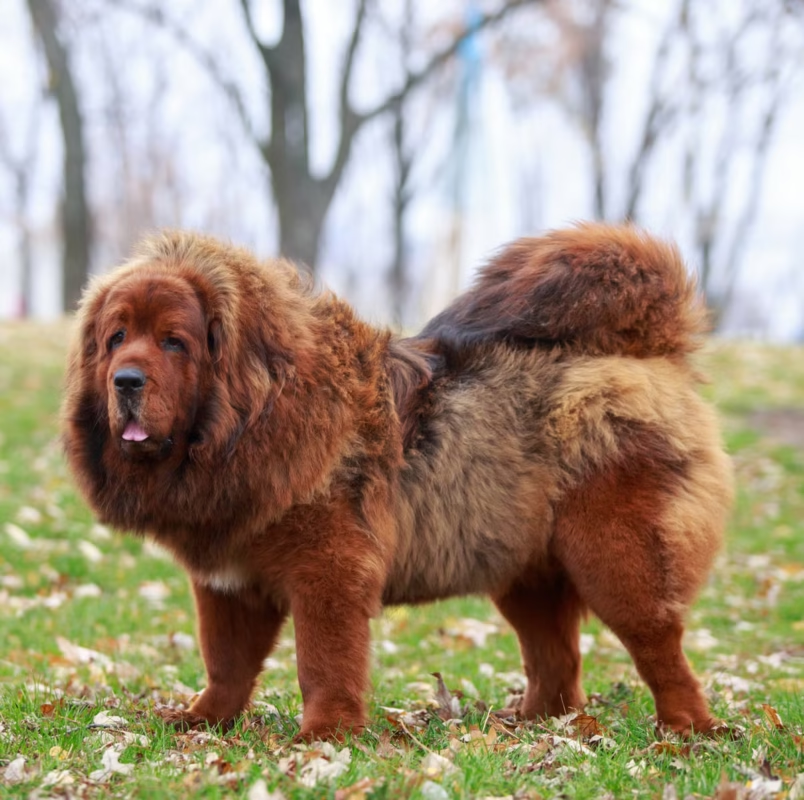
How to Get a Tibetan Mastiff, If you are researching how to get a Tibetan Mastiff, it’s important to understand that this is not an ordinary dog breed you can simply buy on impulse. The Tibetan Mastiff is a rare, powerful, and highly independent guardian dog originally bred for protecting livestock in the Himalayan regions. Because of its size, temperament, and care requirements, owning one is a serious long-term commitment.
This guide explains everything you need to know—from understanding the breed to finding a responsible source and preparing your home.
1. Understanding the Tibetan Mastiff First
Before thinking about ownership, you must understand what makes this breed unique.
The Tibetan Mastiff is:
- A large guardian dog (often 45–70+ kg)
- Highly territorial and protective
- Independent and sometimes stubborn
- Naturally suspicious of strangers
- Extremely loyal to its family
This is not a typical “family pet” like a Labrador or Golden Retriever. It behaves more like a livestock guardian or security dog.
Because of this temperament, first-time dog owners are generally not recommended to adopt this breed.
2. Is a Tibetan Mastiff Right for You?
Ask yourself the following honestly:
Lifestyle Requirements
- Do you have a large, secure space (not a small apartment)?
- Can you manage a strong-willed and dominant dog?
- Do you have experience with large or guard dog breeds?
Time Commitment
- Daily training and socialization
- Regular exercise (but not excessive running like working breeds)
- Continuous supervision during early years
Financial Responsibility
Owning a Tibetan Mastiff is expensive due to:
- High-quality food requirements
- Veterinary care for large breeds
- Training and behavior management
- Grooming (thick double coat maintenance)
If you cannot commit long-term, this breed is not suitable.
3. Legal and Ethical Considerations
In many regions, large guard dogs may have restrictions depending on local pet laws or housing rules.
Before getting one:
- Check local regulations
- Ensure housing society allows large dogs
- Avoid impulse buying from illegal breeders or unknown sellers
Ethical sourcing is very important because demand for rare breeds often leads to unethical breeding practices.
4. Where to Get a Tibetan Mastiff Safely
If you are seriously planning how to get a Tibetan Mastiff, focus only on responsible sources:
1. Registered Breeders
Look for breeders who:
- Provide health certificates
- Allow you to visit the breeding facility
- Show parent dogs
- Follow ethical breeding practices
2. Rescue Organizations
Sometimes Tibetan Mastiffs are available for adoption through:
- Large breed rescue groups
- Animal shelters
- Guardian dog rehoming programs
Adoption is often a better option for experienced owners.
3. Avoid These Sources
- Online classified ads with no verification
- Extremely cheap offers (often a red flag)
- Sellers refusing to show parents or documents
5. Cost of Getting a Tibetan Mastiff
Prices vary widely depending on location and lineage.
Typical cost factors include:
- Breed purity and lineage
- Breeder reputation
- Vaccination and health status
- Training level
In general, this is considered a high-cost breed not just for purchase but for lifelong care.
6. Preparing Your Home
Before bringing a Tibetan Mastiff home, you must prepare:
Secure Space
- High boundary walls or fencing
- Locked gates (they are strong and alert dogs)
- Safe outdoor area
Indoor Setup
- Large resting space
- Temperature control (they are adapted to cold climates)
- Strong, durable bedding
7. Training and Socialization
This is the most critical part of ownership.
Early Training
Start from puppy stage:
- Basic obedience (sit, stay, come)
- Leash training
- Social exposure to people and environments
Socialization
Without proper socialization, Tibetan Mastiffs can become overly protective.
Expose them gradually to:
- Guests
- Other animals
- Different environments
Professional dog trainers are often recommended.
8. Feeding and Health Care
Due to their size, diet plays a key role.
- High-protein balanced diet
- Controlled portions to prevent obesity
- Regular vet check-ups
Common health concerns include:
- Hip dysplasia
- Joint stress
- Bloating in large breeds
9. Challenges of Owning a Tibetan Mastiff
This breed is not for everyone. Common challenges include:
- Strong guarding instincts
- Potential aggression if not trained properly
- High maintenance cost
- Need for experienced handling
Understanding these challenges helps prevent abandonment or mistreatment later.
10. Final Thoughts
Learning how to get a Tibetan Mastiff is not just about purchasing a rare dog—it’s about understanding responsibility, commitment, and long-term care.
This breed can be an incredible guardian and loyal companion for the right owner, but it demands respect, patience, and experience.
You Might Also Like These:
tibetan mastiffs puppies for sale
