
Uncategorized
Why Is a Tibetan Mastiff So Expensive?
Apr
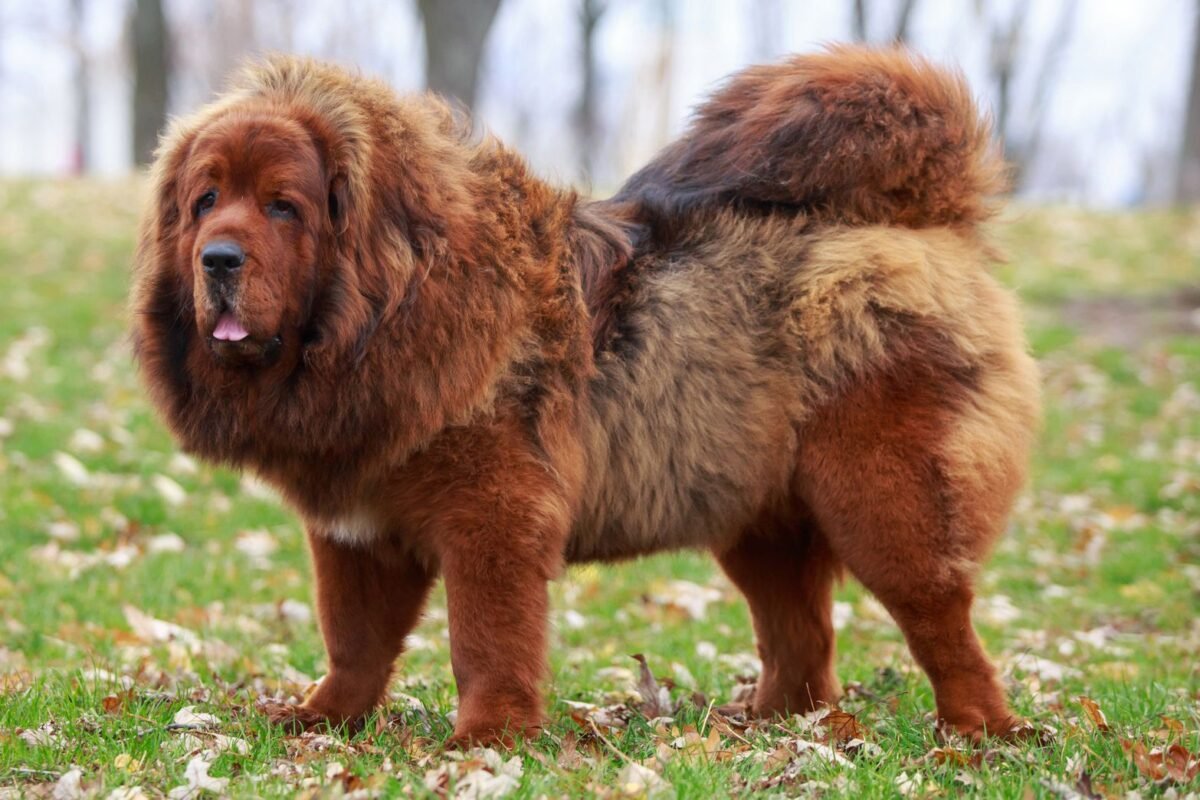
Why Is a Tibetan Mastiff So Expensive?, The Tibetan Mastiff is one of the most expensive dog breeds in the world. Many people are surprised when they see its price tag, which can range from a few thousand dollars to even tens or hundreds of thousands in rare cases. But the high cost is not random—it is the result of history, genetics, rarity, and care requirements.
In this article, we’ll break down why is a Tibetan Mastiff so expensive in a clear and educational way.
1. Ancient and Rare Lineage
The Tibetan Mastiff is an ancient guard dog breed originating from the Himalayan regions of Tibet, Nepal, and northern India. For centuries, it was used to protect livestock, monasteries, and nomadic families from predators like wolves and snow leopards.
Because of its isolated origin and selective breeding over time, the breed remains relatively rare outside its native regions. Rarity always increases value in the global pet market.
2. Extremely Limited Breeding
Unlike common dog breeds, Tibetan Mastiffs:
- Have low reproductive rates
- Require careful and controlled breeding
- Often produce small litter sizes
- Need experienced breeders to maintain health standards
Responsible breeders do not mass-produce them, which keeps supply very low compared to demand.
3. High Maintenance and Feeding Costs
Tibetan Mastiffs are large, powerful dogs. This means:
- They eat a large amount of high-quality food
- They need spacious living environments
- They require regular grooming due to thick double coats
- Veterinary care costs are higher due to size-related health risks
All of this adds to the overall lifetime cost, which reflects in the purchase price.
4. Strong Guarding Instincts
This breed is known for its independent and protective personality. Historically bred as a guardian dog, Tibetan Mastiffs are:
- Highly territorial
- Strong-willed and intelligent
- Not suitable for inexperienced dog owners
Because training and handling require expertise, well-trained dogs become even more valuable.
5. Status Symbol in Some Markets
In certain regions, especially in China during peak demand years, Tibetan Mastiffs were considered a luxury status symbol. Wealthy buyers drove prices extremely high, sometimes paying hundreds of thousands of dollars for rare specimens.
Although prices have stabilized in many places, this history still contributes to the breed’s reputation for being expensive.
6. Import and Transportation Costs
For buyers outside the Himalayan region:
- Import permits are required
- International transportation is costly
- Quarantine regulations may apply
- Insurance and documentation increase total price
These logistical costs significantly raise the final price for buyers.
7. Health Screening and Ethical Breeding
Reputable breeders invest in:
- Genetic testing
- Hip and joint screening
- Vaccinations and veterinary care
- Ethical breeding practices
These measures ensure healthier dogs but also increase the cost of each puppy.
Conclusion
So, why is a Tibetan Mastiff so expensive?
It comes down to a combination of rarity, ancient heritage, limited breeding, high maintenance costs, and global demand in certain markets.
While the price may seem extreme, it reflects the effort and responsibility required to breed and raise this powerful guardian dog properly.
You Might Also Like These:
lion tibetan mastiff for sale uk
