
Uncategorized
Tibetan Mastiff UK
Apr
Tibetan Mastiff UK, The keyword “tibetan mastiff uk” is increasingly searched by dog enthusiasts, researchers, and potential owners who want to understand this rare and majestic breed within the United Kingdom. In this blog post, we’ll explore the origin, characteristics, legal considerations, ownership challenges, and overall suitability of the Tibetan Mastiff in the UK—purely from an educational and research perspective.
Origin and History of the Tibetan Mastiff
The Tibetan Mastiff is an ancient guardian breed that originated in the Himalayan regions of Tibet. Traditionally, these dogs were used by nomadic tribes and monks to protect livestock and monasteries from predators such as wolves and leopards.
Known for their independence and strong protective instincts, Tibetan Mastiffs have remained relatively unchanged for centuries, making them one of the most primitive and unique dog breeds in the world.
Tibetan Mastiff in the UK: Popularity and Demand
In the United Kingdom, the Tibetan Mastiff is considered a rare and exotic breed. While not commonly found compared to popular breeds like Labradors or German Shepherds, there has been a growing interest among experienced dog owners and collectors of rare breeds.
However, due to their size, temperament, and maintenance requirements, they are not suitable for first-time dog owners.
Physical Characteristics
Tibetan Mastiffs are known for their imposing appearance:
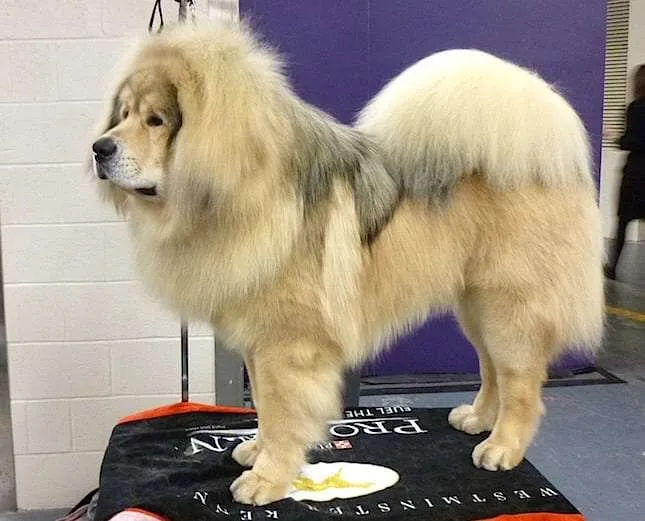
- Size: Large to giant breed (can exceed 70 kg)
- Coat: Thick double coat, suitable for cold climates
- Colors: Black, brown, blue-gray, and gold
- Lifespan: 10–14 years
Their lion-like mane and powerful build make them visually striking and highly recognizable.
Temperament and Behavior
This breed is known for:
- Strong guarding instincts
- Independence and stubbornness
- Loyalty to family members
- Reserved behavior with strangers
Unlike many other breeds, Tibetan Mastiffs are not overly obedient. They are intelligent but prefer to think for themselves, which can make training challenging.
Legal Considerations in the UK
The Tibetan Mastiff is not classified as a banned breed under the UK’s Dangerous Dogs Act. However, owners must still comply with general pet ownership laws, including:
- Proper control in public places
- Microchipping and registration
- Responsibility for aggressive behavior
Local councils may also have additional guidelines for owning large or guardian breeds.
Living Conditions and Suitability
Despite their origin in cold mountainous regions, Tibetan Mastiffs can adapt to the UK climate. However, they require:
- Large, secure outdoor space
- Minimal apartment living (not recommended)
- Strong fencing due to territorial instincts
They are best suited for rural or suburban environments rather than urban apartments.
Diet and Maintenance
Due to their size, Tibetan Mastiffs require a well-balanced, high-quality diet. Grooming needs include:
- Weekly brushing (more during shedding season)
- Occasional bathing
- Regular health checkups
They are generally healthy but may be prone to conditions like hip dysplasia and thyroid issues.
Challenges of Owning a Tibetan Mastiff in the UK
Before considering ownership, it’s important to understand the challenges:
- High maintenance costs
- Difficult training due to independence
- Strong guarding instincts that require proper handling
- Not ideal for families with small children or frequent visitors
Ethical Considerations and Research Perspective
From a research standpoint, the Tibetan Mastiff offers valuable insights into:
- Ancient dog genetics
- Guardian breed behavior
- Adaptation across climates and regions
However, ethical breeding and responsible ownership are critical, especially in regions like the UK where the breed is not native.
Conclusion
The “tibetan mastiff uk” topic highlights a fascinating intersection of ancient breed history and modern pet ownership in the United Kingdom. While these dogs are majestic and loyal, they require experienced handling, proper environment, and a strong commitment from their owners.
You Might Also Like These:
tibetan mastiff puppies for sale
