
Uncategorized
Tibetan Mastiff Dog
Apr
Tibetan Mastiff Dog, The Tibetan Mastiff is one of the most powerful and ancient dog breeds in the world. Known for its impressive size, thick coat, and loyal temperament, this breed has fascinated dog lovers and historians alike. Originating from the rugged terrains of the Himalayas, the Tibetan Mastiff dog has long been valued as a fearless protector and devoted companion.
Origin and History
The Tibetan Mastiff dog traces its roots back thousands of years to the Himalayan regions of Tibet, Nepal, and northern India. Traditionally, these dogs were used by nomadic tribes and monks to guard livestock and monasteries from predators such as wolves and leopards. Their natural guarding instincts and independence made them ideal for surviving harsh mountain environments.
Historically, the Tibetan Mastiff was considered a symbol of strength and prestige. Even famous explorers like Marco Polo described these dogs as “tall as a donkey with a voice as powerful as a lion.”
Physical Characteristics
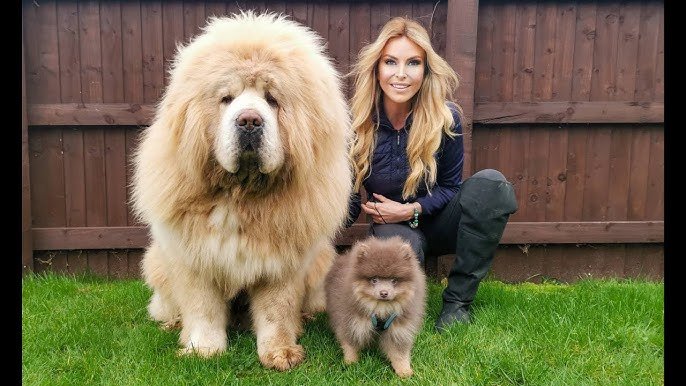
The Tibetan Mastiff dog is a giant breed with a commanding presence. Some of its key physical features include:
- Size: Large and muscular, with males often weighing between 40–70 kg
- Coat: Thick double coat designed to withstand extreme cold
- Colors: Black, brown, blue-gray, or gold, often with tan markings
- Mane: A lion-like mane around the neck, especially prominent in males
Their impressive appearance alone makes them stand out among other dog breeds.
Temperament and Personality
Despite their intimidating look, the Tibetan Mastiff dog is known for its calm and composed nature. However, they are also:
- Highly protective of their family and territory
- Independent thinkers, often making their own decisions
- Loyal but sometimes reserved with strangers
- Not overly affectionate, but deeply bonded with their owners
Because of their strong guarding instincts, early socialization is essential to ensure balanced behavior.
Training and Exercise
Training a Tibetan Mastiff dog can be challenging due to their independent nature. They are intelligent but not always eager to please, which means:
- Consistent and firm training is necessary
- Positive reinforcement works better than harsh methods
- Early obedience training is highly recommended
In terms of exercise, they do not require excessive activity but benefit from regular walks and space to roam.
Diet and Health
A well-balanced diet is crucial for maintaining the health of a Tibetan Mastiff dog. Their diet should include:
- High-quality protein sources
- Essential vitamins and minerals
- Controlled portions to avoid obesity
Common health concerns include hip dysplasia, hypothyroidism, and certain genetic conditions. Regular vet check-ups can help prevent and manage these issues.
Is the Tibetan Mastiff Dog Right for You?
The Tibetan Mastiff dog is not suitable for every household. They thrive best in environments where:
- There is plenty of space (preferably a large yard)
- Owners have experience handling large, independent breeds
- Security and guarding are valued traits
They may not be ideal for first-time dog owners or apartment living.
Conclusion
The Tibetan Mastiff dog is a remarkable breed that combines strength, loyalty, and independence. With its rich history and majestic presence, it continues to be admired worldwide. However, owning one requires dedication, understanding, and the right environment. For those who can meet its needs, the Tibetan Mastiff dog can be a loyal guardian and a lifelong companion.
You Might Also Like These:
lion tibetan mastiff for sale uk
