
Uncategorized
Tibetan Mastiff Dog Breed
Apr
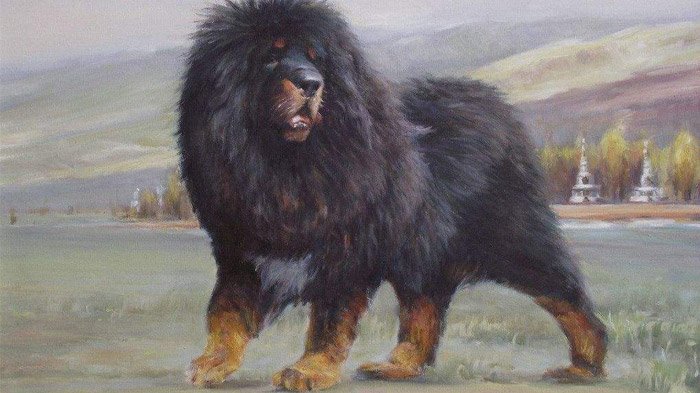
Tibetan Mastiff Dog Breed, The Tibetan Mastiff is one of the most majestic and powerful dog breeds in the world. Known for its lion-like mane, impressive size, and strong protective instincts, this ancient breed has captivated dog lovers for centuries. Originating from the Himalayan regions, the Tibetan Mastiff is not just a pet—it’s a guardian, companion, and symbol of strength.
Origin and History
The Tibetan Mastiff dog breed traces its roots back thousands of years to the high-altitude regions of Tibet, Nepal, and India. Traditionally, these dogs were used by nomadic tribes and monks to guard livestock and monasteries from predators like wolves and leopards. Due to their isolation in the mountains, the breed has remained relatively pure and unchanged over time.
Historically, Tibetan Mastiffs were highly valued and often considered a status symbol. They were even gifted to royalty and explorers, contributing to their global recognition.
Physical Appearance
The Tibetan Mastiff dog breed is known for its imposing presence and distinctive features:
- Size: Large and powerful, males can weigh between 90–150 pounds (40–68 kg)
- Coat: Thick double coat, ideal for cold climates
- Colors: Black, brown, blue-gray, and gold, often with tan markings
- Mane: A prominent mane around the neck, especially in males, resembling a lion
Their strong build and dense coat make them well-suited for harsh weather conditions.
Temperament and Personality
The Tibetan Mastiff dog breed is known for its independent and protective nature. Key personality traits include:
- Loyal: Deeply devoted to their family
- Protective: Naturally wary of strangers, making them excellent guard dogs
- Independent: Can be stubborn and strong-willed
- Calm: Generally quiet and reserved, especially indoors
Because of their guarding instincts, early socialization is essential to ensure they grow into well-balanced adults.
Training and Exercise
Training a Tibetan Mastiff dog breed requires patience and consistency. These dogs are intelligent but not always eager to please, which can make training a challenge for first-time owners.
- Training Tips:
- Use positive reinforcement techniques
- Start socialization early
- Be firm but gentle
- Exercise Needs:
- Moderate daily exercise
- Secure outdoor space is recommended
- Avoid excessive physical strain during puppyhood
Grooming and Care
Despite their thick coat, Tibetan Mastiffs are relatively low-maintenance compared to other long-haired breeds.
- Brushing: 2–3 times a week
- Shedding: Seasonal heavy shedding (once or twice a year)
- Bathing: Occasional, as needed
- Health Care: Regular vet check-ups and vaccinations
Health and Lifespan
The Tibetan Mastiff dog breed is generally healthy but can be prone to certain conditions:
- Hip dysplasia
- Hypothyroidism
- Eye disorders
With proper care, their lifespan typically ranges from 10 to 14 years.
Is the Tibetan Mastiff Right for You?
The Tibetan Mastiff dog breed is best suited for experienced dog owners who understand strong-willed breeds. They thrive in homes with:
- Ample space (not ideal for apartments)
- Secure fencing
- Owners who can provide consistent leadership
They may not be the best choice for families with very young children or those looking for a highly obedient dog.
Conclusion
The Tibetan Mastiff dog breed is a remarkable combination of beauty, strength, and loyalty. While they require dedicated training and proper care, they reward their owners with unmatched devotion and protection. If you’re looking for a powerful guardian and a unique companion, the Tibetan Mastiff might be the perfect addition to your family.
You Might Also Like These:
