
Uncategorized
Tibetan Mastiff Breeding
Apr
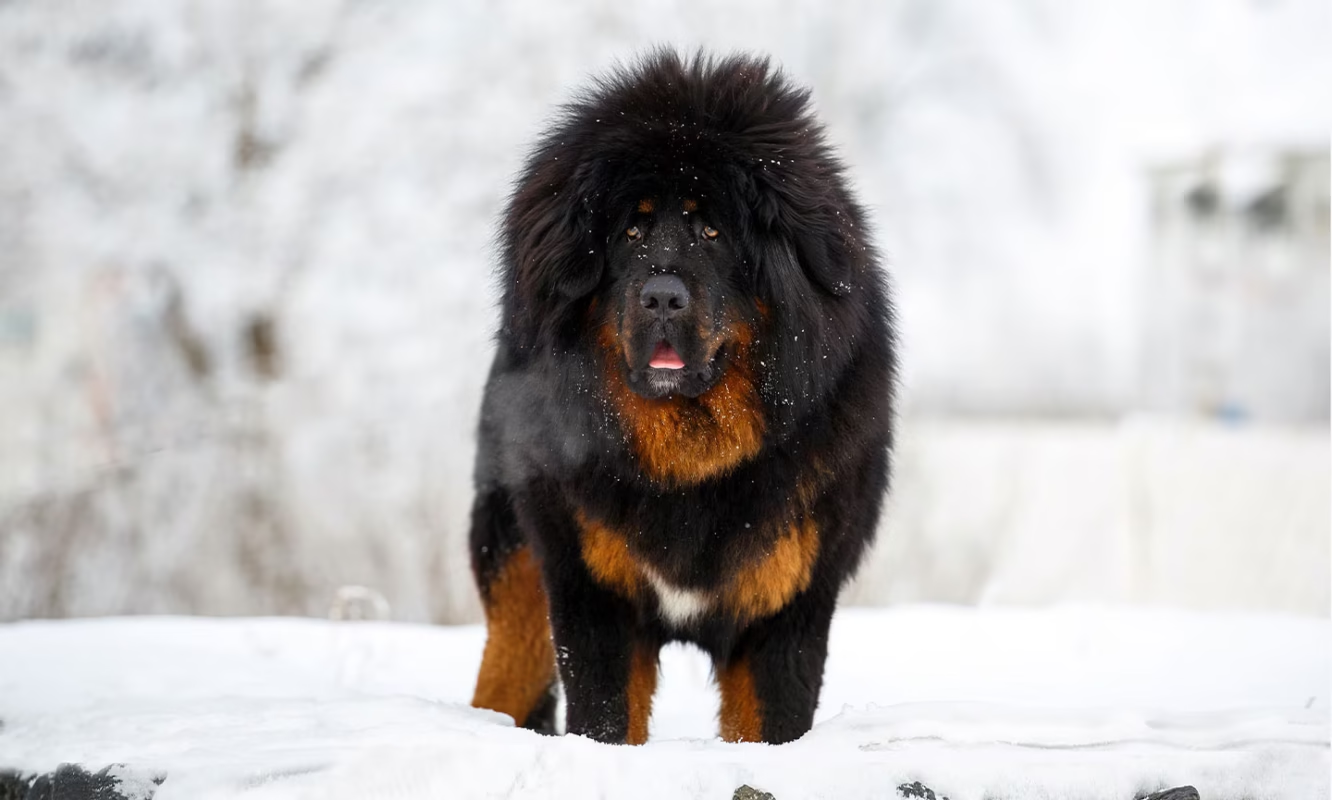
Tibetan Mastiff Breeding, Tibetan Mastiff breeding is a specialized process that requires deep knowledge, patience, and commitment. This majestic and ancient breed is known for its powerful build, thick double coat, protective instincts, and independent personality. If you are considering Tibetan Mastiff breeding, it is essential to understand the breed’s characteristics, health concerns, and ethical breeding practices before getting started.
Understanding the Tibetan Mastiff Breed
The Tibetan Mastiff is a large guardian dog originally bred to protect livestock and homes in the Himalayan region. They are intelligent, loyal, and highly territorial. Unlike many other breeds, Tibetan Mastiffs mature slowly, often reaching full maturity between three and five years of age.
Because of their size and temperament, Tibetan Mastiff breeding should only be undertaken by experienced breeders who understand canine genetics, behavior, and proper socialization techniques.
Important Considerations Before Tibetan Mastiff Breeding
Before beginning Tibetan Mastiff breeding, breeders should evaluate several important factors:
1. Health Testing
Responsible Tibetan Mastiff breeding starts with health screening. Both male and female dogs should be tested for common hereditary conditions such as:
- Hip dysplasia
- Elbow dysplasia
- Thyroid disorders
- Eye problems
- Cardiac conditions
Health-tested parents increase the chances of producing healthy puppies.
2. Temperament Assessment
Temperament is one of the most critical aspects of Tibetan Mastiff breeding. Since the breed is naturally protective and independent, breeding dogs should demonstrate stable, confident, and manageable behavior.
Dogs with aggression, extreme fearfulness, or unstable temperaments should not be bred.
3. Age and Maturity
Tibetan Mastiffs mature later than many other breeds. Ethical Tibetan Mastiff breeding means waiting until both dogs are physically and mentally mature before mating. Females should not be bred too early, as this can lead to health complications.
The Tibetan Mastiff Breeding Process
Selecting the Right Pair
Successful Tibetan Mastiff breeding depends on pairing dogs that complement each other in structure, temperament, and health. Breeders often study pedigrees to reduce the risk of inherited disorders and preserve breed standards.
Mating and Pregnancy
Once the female enters her heat cycle, timing becomes important. Veterinary guidance can help determine the best breeding window. Pregnancy typically lasts around 63 days.
During pregnancy:
- Provide high-quality nutrition
- Schedule regular veterinary checkups
- Maintain moderate exercise
- Prepare a clean whelping area
Whelping and Puppy Care
When puppies arrive, close supervision is necessary. Tibetan Mastiff puppies need warmth, nursing support, and regular monitoring during the first few weeks.
Responsible Tibetan Mastiff breeding also includes:
- Early neurological stimulation
- Proper deworming and vaccinations
- Socialization with people and environments
- Health checks before placement
Challenges of Tibetan Mastiff Breeding
Tibetan Mastiff breeding can be challenging due to the breed’s size, stubborn personality, and slower development. Litters may require extensive care, and raising giant-breed puppies demands proper nutrition to support healthy bone growth.
Additionally, finding suitable homes is essential. These dogs are not ideal for every family because they need space, training, and experienced handling.
Ethical Tibetan Mastiff Breeding Practices
Ethical Tibetan Mastiff breeding focuses on improving the breed rather than making quick profits. Good breeders:
- Limit the number of litters
- Prioritize health and temperament
- Provide lifetime support to puppy buyers
- Screen potential owners carefully
- Keep puppies until appropriate placement age
Avoid breeders who ignore health testing or breed repeatedly without concern for the dogs’ welfare.
Is Tibetan Mastiff Breeding Right for You?
Tibetan Mastiff breeding requires significant time, financial investment, and breed-specific expertise. It is not suitable for beginners or casual dog owners. However, for dedicated breeders who value health, temperament, and preservation, it can be a rewarding responsibility.
Final Thoughts
Tibetan Mastiff breeding should always be approached with care, ethics, and knowledge. This remarkable breed deserves responsible stewardship to maintain its strength, intelligence, and noble temperament. Whether you are a breeder or a future owner, understanding the complexities of Tibetan Mastiff breeding is the key to protecting the future of this extraordinary dog breed.
You Might Also Like These:
chinese tibetan mastiff for sale uk
tibetan mastiff puppies for sale
tibetan mastiff puppy for sale uk
