
Uncategorized
Tibetan Mastiff Adoption
Apr
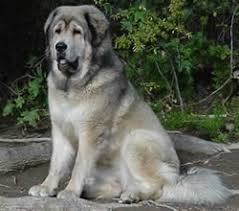
Tibetan Mastiff Adoption, The tibetan mastiff adoption process is not something to take lightly. These powerful, ancient guardian dogs are known for their massive size, strong protective instincts, and independent nature. While they can be loyal and affectionate companions, adopting one requires careful preparation, understanding, and commitment.
In this article, we’ll explore everything you should know about Tibetan Mastiff adoption, including temperament, care requirements, challenges, and where to find reputable adoption sources.
Understanding the Tibetan Mastiff
The Tibetan Mastiff is a large guardian breed originally developed in the Himalayan region to protect livestock from predators like wolves and leopards. They are known for:
- Extremely strong guarding instincts
- Independence and sometimes stubborn behavior
- Loyalty to their family but suspicion toward strangers
- Thick double coats suited for cold climates
- Large size and powerful build
Because of these traits, they are not typical “first-time dog owner” pets.
Is Tibetan Mastiff Adoption Right for You?
Before considering tibetan mastiff adoption, ask yourself whether your lifestyle matches the breed’s needs.
Ideal owners usually:
- Have experience with large or guardian breeds
- Can provide firm, consistent training
- Have enough space (a house with a secure yard is preferred)
- Are home often or can provide proper supervision
- Understand dog behavior and leadership principles
This breed is not ideal for small apartments or owners seeking a low-maintenance companion.
Challenges of Adopting a Tibetan Mastiff
Adopting a Tibetan Mastiff can be rewarding, but it also comes with challenges:
1. Strong Protective Instincts
They naturally guard territory and family, which can lead to overprotective behavior if not trained early.
2. Independent Personality
Unlike highly obedient breeds, Tibetan Mastiffs often think for themselves and may not always follow commands immediately.
3. Socialization Needs
Early and ongoing socialization is crucial to prevent aggression or fear toward strangers and other animals.
4. High Maintenance Coat
Their thick fur requires regular grooming, especially during seasonal shedding.
Where to Find Tibetan Mastiff Adoption Opportunities
If you’re serious about tibetan mastiff adoption, consider these sources:
- Breed-specific rescue organizations
- General large-breed dog shelters
- Animal welfare groups and adoption networks
- Responsible breeders offering retired dogs for rehoming
Avoid impulsive adoptions or unverified sellers, as Tibetan Mastiffs are sometimes bred irresponsibly due to their popularity.
Preparing Your Home for Adoption
Before bringing your dog home, make sure you:
- Install secure fencing (they are strong and can be escape-prone)
- Create a calm, structured environment
- Purchase durable food bowls and large-breed supplies
- Plan for regular exercise and mental stimulation
- Schedule a veterinary checkup immediately after adoption
Training and Care Tips
Successful Tibetan Mastiff adoption depends heavily on training and consistency.
- Start training early and maintain firm leadership
- Use positive reinforcement methods
- Avoid harsh punishment (it can damage trust)
- Socialize with different people, animals, and environments
- Provide daily mental challenges like puzzle toys or obedience tasks
Final Thoughts
Tibetan mastiff adoption can be a deeply rewarding experience for the right owner. These dogs are not just pets—they are guardians with strong instincts and unique personalities. When properly trained, socialized, and cared for, they can become loyal and devoted family protectors.
You Might Also Like These:
tibet mastiff puppies for sale
tibetan mastiff puppies for sale
biggest tibetan mastiff in the world
