
Uncategorized
Tibetan Mastiff
Apr
Tibetan Mastiff, The Tibetan Mastiff is one of the most impressive and ancient dog breeds in the world. Known for its massive size, thick coat, and protective instincts, the Tibetan Mastiff has captured the attention of dog lovers everywhere. Originally bred in the Himalayan region, this powerful breed was used to guard livestock, monasteries, and homes from predators and intruders.
Origin and History of the Tibetan Mastiff
The Tibetan Mastiff comes from Tibet, Nepal, India, and surrounding Himalayan areas. For centuries, nomadic tribes and monks relied on these dogs for protection. Their strength, intelligence, and courage made them ideal guardians in harsh mountain climates.
Many experts believe the Tibetan Mastiff is one of the oldest mastiff-type breeds and may have influenced the development of other large guardian dogs around the world.
Physical Appearance
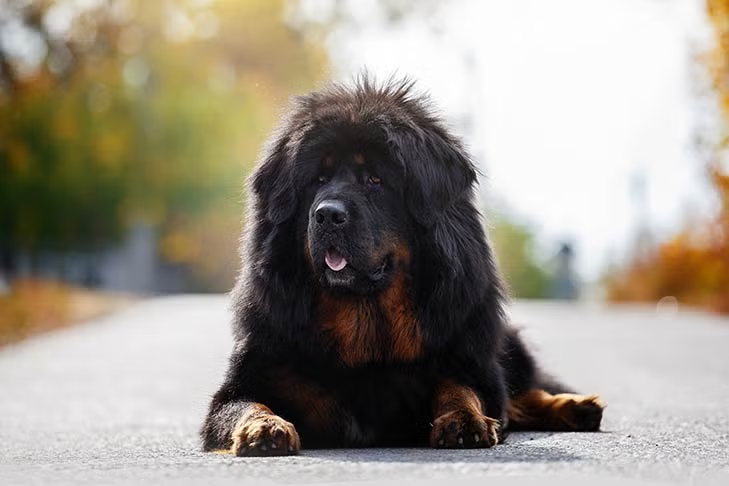
The Tibetan Mastiff is famous for its lion-like mane and commanding presence. Adult males can weigh between 90 to 150 pounds or more, while females are slightly smaller.
Key Features:
- Thick double coat for cold weather protection
- Broad head and strong jaw
- Deep chest and muscular body
- Bushy tail curled over the back
- Colors include black, brown, blue-gray, red-gold, and tan combinations
Their majestic look often makes the Tibetan Mastiff stand out among other large dog breeds.
Temperament and Personality
Despite their intimidating size, the Tibetan Mastiff is loyal and affectionate with family members. However, they are naturally independent and cautious around strangers.
Personality Traits:
- Highly protective
- Intelligent and alert
- Calm indoors when properly exercised
- Independent thinker
- Devoted to family
Because of their guardian background, Tibetan Mastiffs need early socialization and firm, consistent training.
Exercise and Training Needs
Although the Tibetan Mastiff is not hyperactive, regular exercise is essential for maintaining health and preventing boredom. Daily walks and secure outdoor space are ideal.
Training can be challenging because this breed is known for being stubborn and self-reliant. Positive reinforcement and patience work best.
Grooming Requirements
The thick coat of the Tibetan Mastiff requires regular brushing, especially during seasonal shedding periods. Weekly brushing is usually enough outside shedding season, but more frequent grooming may be needed when the undercoat blows out.
Other grooming tasks include:
- Nail trimming
- Ear cleaning
- Dental care
- Bathing when necessary
Is the Tibetan Mastiff a Good Family Dog?
The Tibetan Mastiff can be an excellent family companion for experienced dog owners who understand guardian breeds. They do best in homes with space, secure fencing, and owners who can provide leadership.
They may not be the best choice for first-time dog owners or apartment living due to their size and territorial instincts.
Health Considerations
Like many giant breeds, the Tibetan Mastiff may be prone to certain health conditions such as:
- Hip dysplasia
- Elbow dysplasia
- Thyroid issues
- Eye problems
Regular veterinary care, proper nutrition, and exercise can help maintain overall health.
Why the Tibetan Mastiff Is So Popular
The Tibetan Mastiff is admired for its rare beauty, fearless personality, and historical significance. Their noble appearance and strong protective instincts make them unforgettable.
Final Thoughts
The Tibetan Mastiff is not just a dog—it is a symbol of strength, loyalty, and ancient heritage. For the right owner, this breed can be a devoted guardian and loving companion. If you are prepared for its independent nature and grooming needs, the Tibetan Mastiff may be the perfect majestic addition to your family.
You Might Also Like These:
how much is a tibetan mastiff puppy
