
Uncategorized
Dogs Tibetan Mastiff
Apr
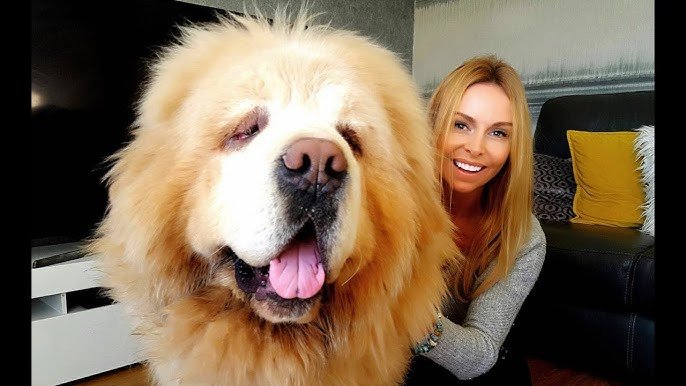
Dogs Tibetan Mastiff, The keyword “dogs Tibetan Mastiff” refers to one of the most powerful, ancient, and fascinating dog breeds in the world. The Tibetan Mastiff is known for its imposing size, thick coat, and strong protective instincts. Originating from the Himalayan regions, these dogs have been prized for centuries as loyal guardians of livestock and property.
Origin and History
The Tibetan Mastiff has deep roots in the mountainous regions of Tibet, Nepal, and northern India. Historically, nomadic tribes and monks relied on these dogs to guard sheep from predators like wolves and leopards. Their natural guarding instincts and independence made them ideal for harsh environments where human intervention was minimal.
Some experts believe that Tibetan Mastiffs are among the oldest dog breeds and may have influenced the development of many modern mastiff-type dogs.
Physical Characteristics
Dogs Tibetan Mastiff are easily recognizable due to their massive size and lion-like appearance. Key physical traits include:
- Size: Males can weigh between 40–70 kg or more
- Coat: Thick double coat suited for cold climates
- Color: Black, brown, blue-gray, or golden shades
- Mane: A prominent mane around the neck, especially in males
Their heavy build and dense coat not only provide protection from cold weather but also give them a regal and intimidating presence.
Temperament and Personality
Despite their fierce appearance, Tibetan Mastiffs are calm, loyal, and deeply devoted to their families. However, they are not typical “easy” pets.
- Protective: Naturally guard-oriented and wary of strangers
- Independent: Often think for themselves rather than blindly obey
- Loyal: Form strong bonds with their owners
- Reserved: Not overly affectionate with strangers
These dogs are best suited for experienced owners who understand how to manage large, strong-willed breeds.
Training and Socialization
Training a Tibetan Mastiff requires patience and consistency. Early socialization is crucial to ensure they grow into well-balanced adults.
- Start training at a young age
- Use positive reinforcement methods
- Expose them to different people and environments
- Maintain firm but gentle leadership
Because of their independent nature, harsh training methods can lead to stubborn behavior.
Diet and Exercise
Dogs Tibetan Mastiff do not require excessive exercise compared to other large breeds, but they still need regular activity to stay healthy.
- Diet: High-quality, protein-rich food
- Exercise: Daily walks and moderate playtime
- Space: Prefer large, secure areas rather than small apartments
They are better suited to homes with ample outdoor space, especially in cooler climates.
Grooming Needs
Their thick coat requires regular grooming to prevent matting and maintain cleanliness.
- Brush 2–3 times per week
- Increased grooming during shedding season
- Occasional bathing
- Regular nail trimming and ear cleaning
Despite their heavy coat, they are relatively low-odor dogs.
Is a Tibetan Mastiff Right for You?
Owning a Tibetan Mastiff is a significant commitment. These dogs are not ideal for first-time pet owners or those living in small urban apartments.
Best suited for:
- Experienced dog owners
- Homes with large, secure spaces
- Cooler climates
- People seeking a strong guard dog
Not ideal for:
- First-time dog owners
- Families wanting a highly social or playful pet
- Small living spaces
Conclusion
The dogs Tibetan Mastiff represent strength, loyalty, and ancient heritage. With proper care, training, and environment, they can be exceptional companions and protectors. However, they demand respect, space, and an experienced hand. If you are looking for a majestic guardian with a rich history, the Tibetan Mastiff might be the perfect choice.
You Might Also Like These:
chinese tibetan mastiffs for sale
