
Uncategorized
Dog Breeds Tibetan Mastiff
Apr
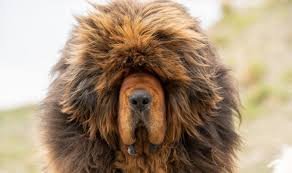
Dog Breeds Tibetan Mastiff, The keyword dog breeds Tibetan Mastiff refers to one of the most ancient, powerful, and awe-inspiring canine breeds in the world. Known for its imposing size, thick coat, and strong protective instincts, the Tibetan Mastiff has captured the fascination of dog lovers and historians alike.
Origin and History
The Tibetan Mastiff originates from the Himalayan regions, particularly Tibet, Nepal, and parts of China. Historically, these dogs were bred by nomadic tribes and monks to guard livestock, monasteries, and villages from predators such as wolves and leopards. Their lineage dates back thousands of years, making them one of the oldest known dog breeds.
Often referred to as “living legends,” Tibetan Mastiffs were highly valued for their loyalty and unmatched guarding abilities. Their presence symbolized strength, security, and status.
Physical Characteristics
When discussing dog breeds Tibetan Mastiff, their physical appearance is one of the most striking features:
- Size: Large and powerful, males can weigh between 40–70 kg or more
- Coat: Thick double coat, ideal for harsh cold climates
- Color: Black, brown, blue-gray, and golden shades
- Mane: Many have a lion-like mane around the neck, adding to their majestic look
Their massive build and deep bark make them natural deterrents against intruders.
Temperament and Personality
The Tibetan Mastiff is known for its independent and protective nature. Unlike many other breeds, they are not overly eager to please, which can make training a challenge.
Key traits include:
- Loyal and Protective: Fiercely devoted to family
- Reserved with Strangers: Naturally wary of unfamiliar people
- Independent Thinker: Often makes decisions on its own
- Calm but Alert: Quiet during the day but active at night
This breed is best suited for experienced dog owners who understand strong-willed dogs.
Training and Socialization
Training a Tibetan Mastiff requires patience, consistency, and early socialization. Because of their guarding instincts, they must be exposed to various people, animals, and environments from a young age.
Tips for training:
- Start early socialization
- Use positive reinforcement techniques
- Establish clear leadership
- Avoid harsh discipline
Proper training ensures they grow into well-mannered and controlled companions.
Living Conditions
When considering dog breeds Tibetan Mastiff, it’s important to understand their space and lifestyle needs:
- Space: Not ideal for apartments; they need large, secure areas
- Climate: Thrive in colder environments due to their thick coat
- Exercise: Moderate exercise is sufficient, but they enjoy roaming
They are not suited for hot climates unless proper care and cooling measures are provided.
Health and Lifespan
Tibetan Mastiffs are generally healthy but can be prone to certain conditions:
- Hip and elbow dysplasia
- Thyroid issues
- Eye disorders
Their average lifespan ranges from 10 to 14 years. Regular vet check-ups and a balanced diet are essential for maintaining their health.
Is a Tibetan Mastiff Right for You?
Choosing from dog breeds Tibetan Mastiff requires careful consideration. This breed is not ideal for first-time dog owners or those looking for a highly obedient pet.
They are best suited for:
- Experienced dog handlers
- Homes with large, secure spaces
- Owners seeking a loyal guard dog
Conclusion
The Tibetan Mastiff stands out among dog breeds for its grandeur, loyalty, and historical significance. While they require dedicated care and training, their protective nature and majestic presence make them a truly unique companion.
You Might Also Like These:
siberian mastiff puppies for sale
how much is a tibetan mastiff puppy
chinese tibetan mastiff for sale
