
Uncategorized
Buying A Tibetan Mastiff
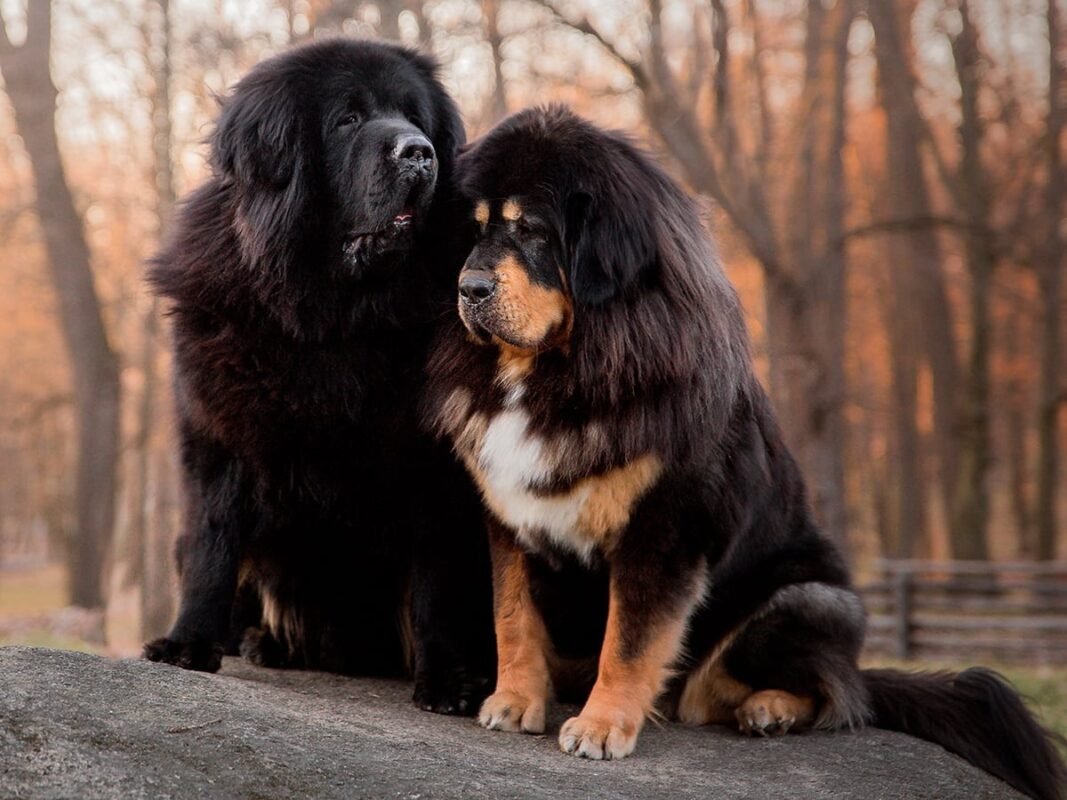
Apr
Buying A Tibetan Mastiff, Buying a Tibetan Mastiff is not a casual decision. This ancient and powerful breed is known for its impressive size, strong protective instincts, and independent nature. Before you commit, it’s important to understand what ownership really involves so you can decide whether this dog fits your lifestyle.
The Tibetan Mastiff is one of the oldest guardian dog breeds in the world, originally bred to protect livestock and property in the Himalayas. Today, they are still prized for their loyalty and guarding ability—but they are not suitable for every household.
Understanding the Tibetan Mastiff Temperament
When buying a Tibetan Mastiff, temperament should be your first consideration. These dogs are:
- Highly independent thinkers
- Extremely protective of their territory
- Loyal but not overly affectionate in a typical “family dog” way
- Strong-willed and sometimes stubborn
Unlike many modern companion breeds, Tibetan Mastiffs were bred to make decisions on their own while guarding flocks. This means they may not always respond immediately to commands, especially from inexperienced owners.
Early socialization is essential. Without proper exposure to people, animals, and environments, they can become overly suspicious or territorial.
Size, Strength, and Space Requirements
One of the most striking things about buying a Tibetan Mastiff is the sheer size of the dog. Adult males can weigh well over 50 kg (110+ lbs), with a thick double coat that makes them appear even larger.
Because of their size and guarding instincts, they are best suited to:
- Homes with large, securely fenced yards
- Rural or suburban environments
- Owners who can provide daily structure and supervision
Apartment living is generally not recommended unless the owner is highly experienced and committed to extensive daily exercise and training.
Grooming and Maintenance Needs
Another important factor when buying a Tibetan Mastiff is grooming. Despite their noble appearance, they are not low-maintenance dogs.
Key grooming needs include:
- Heavy seasonal shedding (especially in spring)
- Regular brushing (several times per week)
- Occasional professional grooming for coat management
- Routine ear cleaning and nail trimming
Their thick coat protects them in harsh climates, but it also means they do not tolerate heat well. In warm regions, cooling arrangements and limited outdoor activity during peak heat are essential.
Training Challenges and Requirements
Training a Tibetan Mastiff is not like training a typical obedience-focused breed. When buying a Tibetan Mastiff, expect a learning curve.
Important training considerations:
- Start socialization early (puppy stage is critical)
- Use consistent but calm leadership
- Avoid harsh discipline methods (they may become resistant)
- Focus on positive reinforcement
- Expect independent decision-making behavior
They are intelligent, but they often question commands rather than blindly obey them. This makes them unsuitable for first-time dog owners.
Health and Lifespan
Before buying a Tibetan Mastiff, it’s important to understand their general health profile. While they are a hardy breed, they can be prone to certain conditions:
- Hip and elbow dysplasia
- Hypothyroidism
- Eye conditions such as entropion
- Bloating (gastric torsion risk in large breeds)
Their average lifespan is typically 10–14 years, which is relatively good for a giant breed.
Responsible breeders should provide health clearances for the puppy’s parents.
Cost of Buying a Tibetan Mastiff
The price of buying a Tibetan Mastiff can vary widely depending on lineage, breeder reputation, and location. Costs often include:
- Purchase price (which can be high for purebred lines)
- Vaccinations and early veterinary care
- Food (large breed diet is more expensive)
- Training and socialization classes
- Grooming and maintenance costs
It is important to remember that the initial purchase price is only a fraction of the lifetime cost of ownership.
Choosing a Responsible Breeder
If you are serious about buying a Tibetan Mastiff, choosing the right breeder is crucial. A responsible breeder will:
- Allow you to meet the puppy’s parents
- Provide health certificates
- Raise puppies in a clean, social environment
- Ask you questions about your experience and home setup
- Avoid selling to unsuitable homes
Avoid backyard breeders or sellers who cannot provide proper documentation or health history.
Is a Tibetan Mastiff Right for You?
Before buying a Tibetan Mastiff, ask yourself:
- Do I have enough space for a large, territorial dog?
- Can I handle an independent and strong-willed personality?
- Am I prepared for grooming and maintenance costs?
- Do I have experience with large or guardian breeds?
- Can I commit time to training and socialization?
This breed is best suited for experienced dog owners who want a protective companion rather than a highly social or easily trained pet.
Final Thoughts
Buying a Tibetan Mastiff is a long-term commitment that requires preparation, patience, and responsibility. While they are majestic, loyal, and deeply protective, they are also powerful dogs with complex needs.
You Might Also Like These:
tibet mastiff puppies for sale
