
Uncategorized
Black and Tan Tibetan Mastiff
Apr
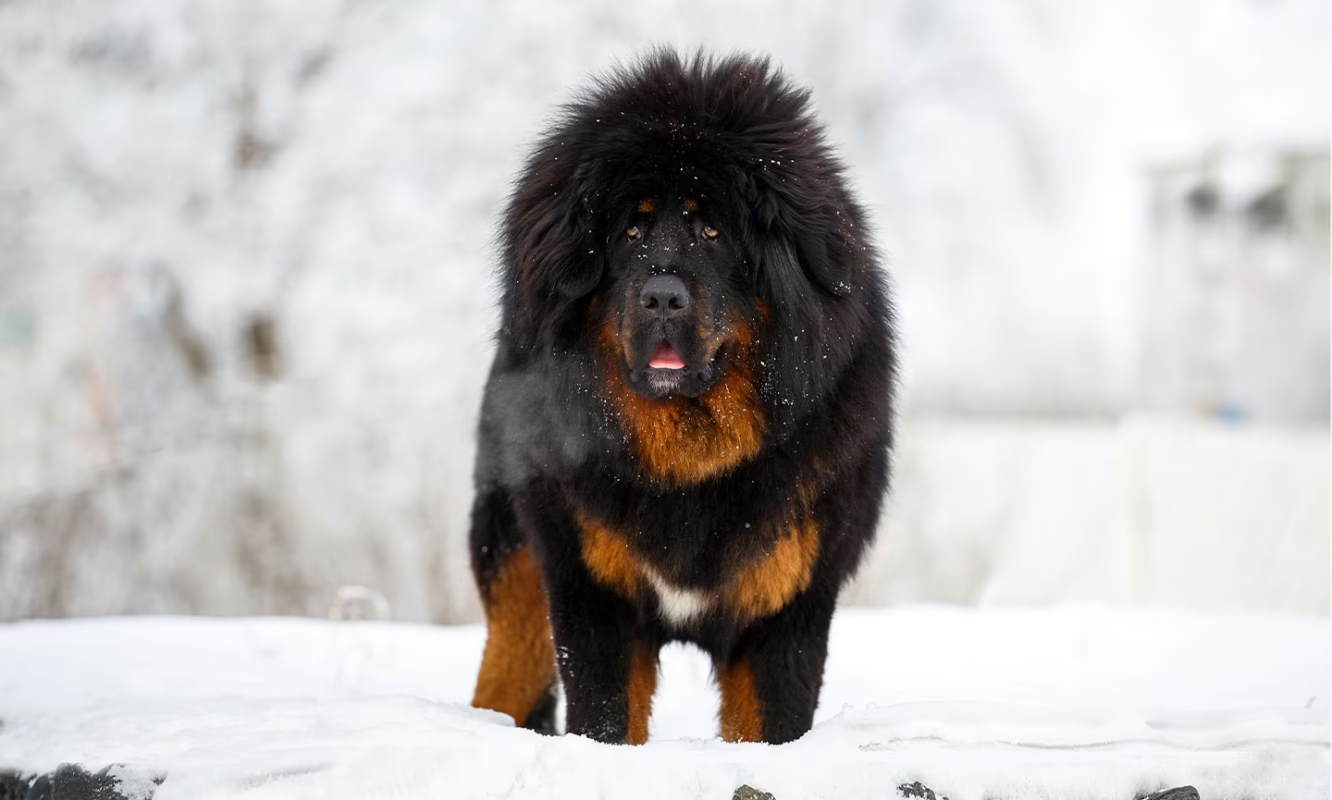
Black and Tan Tibetan Mastiff, The black and tan Tibetan mastiff is one of the most striking and powerful color variations of the ancient guardian breed known as the Tibetan Mastiff. Known for its massive size, lion-like appearance, and protective instincts, this color variant is highly admired by dog enthusiasts around the world.
In this article, we’ll explore its origin, appearance, temperament, care needs, and whether it is suitable as a pet.
What is a Black and Tan Tibetan Mastiff?
The black and tan Tibetan mastiff is not a separate breed but a color variation of the Tibetan Mastiff. The breed itself originates from the Himalayan region, where it was historically used by nomadic tribes and monasteries to guard livestock and property.
The “black and tan” coloration typically includes:
- A deep black base coat
- Distinct tan markings on the legs, face, chest, and above the eyes
This contrast gives the dog a bold and majestic appearance.
Origin and History
The Tibetan Mastiff is one of the oldest and most primitive dog breeds in the world.
Key historical points:
- Originated in Tibet, Nepal, and surrounding Himalayan regions
- Bred primarily as a guardian dog
- Protected sheep from predators like wolves and leopards
- Highly valued by Tibetan monks and nomadic tribes
The black and tan coat variation has existed naturally within the breed’s genetic diversity, though solid black coats are more common.
Physical Appearance
Black and tan Tibetan Mastiffs are known for their impressive physical structure:
- Size: Very large and heavy-built
- Coat: Thick double coat (weather-resistant)
- Head: Broad skull with a strong muzzle
- Eyes: Deep-set and expressive
- Tail: Bushy and curled over the back
Their coat makes them especially suited for cold climates, and the black and tan coloring enhances their regal look.
Temperament and Behavior
Despite their intimidating appearance, black and tan Tibetan Mastiffs are:
1. Loyal and Protective
They form strong bonds with their family and are extremely protective.
2. Independent Thinkers
They are intelligent but often stubborn, making training a challenge.
3. Reserved with Strangers
They are naturally suspicious of unfamiliar people, which makes them excellent guard dogs.
4. Calm but Alert
They are usually calm indoors but always alert to their surroundings.
Training Requirements
Training a Tibetan Mastiff requires patience and consistency:
- Start socialization early
- Use positive reinforcement methods
- Avoid harsh training techniques
- Establish leadership gently but firmly
Because of their independent nature, they are not ideal for first-time dog owners.
Exercise and Living Conditions
These dogs do not require excessive exercise but do need space:
- Daily walks and moderate activity
- Large, secure outdoor space preferred
- Not suitable for small apartments
They thrive in cooler climates due to their heavy coat.
Grooming Needs
Their thick double coat requires regular care:
- Weekly brushing (more during shedding season)
- Occasional bathing
- Regular ear and nail cleaning
Proper grooming helps prevent matting and skin issues.
Diet and Nutrition
A balanced diet is essential for their size and health:
- High-quality protein-based dog food
- Controlled portions to avoid obesity
- Fresh water always available
Avoid overfeeding, as large breeds are prone to joint issues.
Is the Black and Tan Tibetan Mastiff a Good Pet?
This breed is not for everyone. It is best suited for:
✔ Experienced dog owners
✔ People with large outdoor space
✔ Those who understand guardian breeds
It may not be ideal for:
✖ First-time dog owners
✖ Apartment living
✖ Families seeking a highly social, playful dog
Final Thoughts
The black and tan Tibetan mastiff is a rare and majestic variation of one of the world’s oldest guardian breeds. With its powerful build, loyal temperament, and striking appearance, it is truly a symbol of strength and nobility.
You Might Also Like These:
chinese tibetan mastiff for sale uk
