
Uncategorized
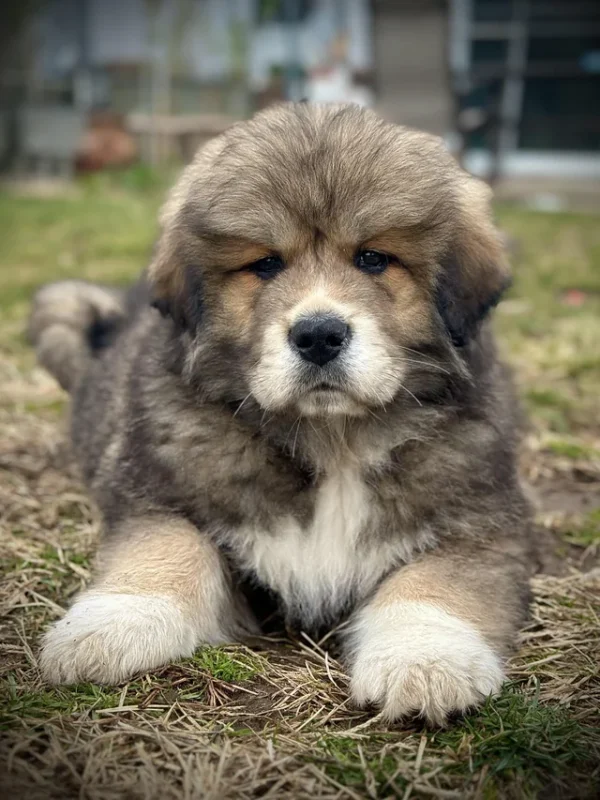
Tibetan Mastiff Cross
Apr
Tibetan Mastiff Cross, The term “tibetan mastiff cross” refers to a hybrid dog that results from breeding a purebred Tibetan Mastiff with another dog breed. These crossbreeds are often created to combine the unique traits of the Tibetan Mastiff—such as its protective instincts and massive build—with the characteristics of another breed.
In this article, we’ll explore what Tibetan Mastiff crosses are, their common traits, temperament, care needs, and important considerations for anyone interested in learning about them.
What Is a Tibetan Mastiff Cross?
A Tibetan Mastiff cross is not a single standardized breed. Instead, it is a mixed-breed dog with one Tibetan Mastiff parent and another breed parent. Because of this, every cross can look and behave differently depending on genetics.
For example, common crosses include:
- Tibetan Mastiff × German Shepherd
- Tibetan Mastiff × Labrador Retriever
- Tibetan Mastiff × Saint Bernard
- Tibetan Mastiff × Great Pyrenees
Each combination produces a unique blend of size, temperament, and physical features.
Physical Characteristics
Tibetan Mastiff crosses are usually large or giant dogs. While traits vary, many inherit:
- Thick double coat (especially in colder climates)
- Large muscular body
- Broad head and strong jawline
- Deep-set eyes and alert expression
- Heavy shedding, especially seasonally
Some crosses may appear more refined (if mixed with lighter breeds), while others remain extremely massive like the pure Tibetan Mastiff.
Temperament and Behavior
The temperament of a Tibetan Mastiff cross depends heavily on the non-Mastiff parent, but certain traits are commonly inherited:
1. Protective Nature
Tibetan Mastiffs are known for guarding livestock and property. Many crosses retain this instinct, making them naturally protective of their family.
2. Independence
These dogs are often independent thinkers. This can make training more challenging for inexperienced owners.
3. Loyalty
Despite their strong-willed nature, they are deeply loyal to their owners once bonded.
4. Territorial Behavior
Some Tibetan Mastiff crosses may be territorial, especially around strangers or unfamiliar animals.
Training Needs
Training a Tibetan Mastiff cross requires patience and consistency. Key points include:
- Early socialization is essential
- Use positive reinforcement methods
- Avoid harsh discipline (can lead to stubbornness or fear)
- Establish leadership early
- Expose them to people, sounds, and environments from a young age
Because of their intelligence and independence, they are not ideal for first-time dog owners.
Exercise and Living Requirements
Tibetan Mastiff crosses are not overly hyperactive, but they do require:
- Daily walks
- Mental stimulation (training games, puzzles)
- Secure outdoor space
They are better suited for large homes with yards rather than small apartments.
Health Considerations
Like many large breeds, Tibetan Mastiff crosses may be prone to:
- Hip dysplasia
- Elbow dysplasia
- Bloating (gastric torsion)
- Joint stress due to size
- Skin and coat issues in some mixes
Regular vet checkups and a proper diet are essential for long-term health.
Diet and Nutrition
Because of their size, these dogs require a high-quality, protein-rich diet. Key guidelines:
- Feed according to weight and activity level
- Avoid overfeeding to prevent joint strain
- Split meals into 2–3 portions daily (helps reduce bloat risk)
- Provide supplements only under veterinary advice
Who Should Own a Tibetan Mastiff Cross?
A Tibetan Mastiff cross is best suited for:
- Experienced dog owners
- People with large living spaces
- Owners who can provide time for training and socialization
- Those comfortable handling strong, protective breeds
They are not ideal for beginners or people seeking a highly obedient, easygoing pet.
Final Thoughts
The tibetan mastiff cross is a fascinating and powerful hybrid that combines strength, loyalty, and protective instincts. However, they require responsible ownership, proper training, and a committed environment to thrive.
You Might Also Like These:
chinese tibetan mastiff for sale uk
tibetan mastiff puppy for sale uk
chinese tibetan mastiff for sale uk
chinese tibetan mastiff for sale uk
