
Uncategorized
Tibetan Mastiff White Price
Apr
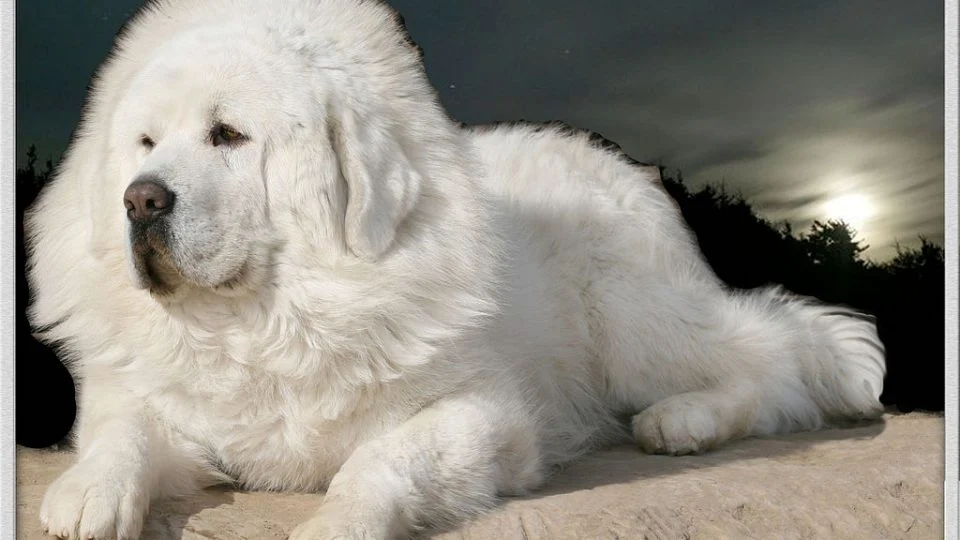
Tibetan Mastiff White Price, The Tibetan Mastiff white price is one of the most searched topics among dog lovers and exotic pet enthusiasts. The Tibetan Mastiff is a rare, powerful, and ancient dog breed known for its massive size, thick coat, and lion-like appearance. The white variant is even more rare, which makes it significantly more expensive and highly sought after in global pet markets.
In this blog, we will break down everything you need to know about pricing, factors affecting cost, and important considerations before thinking about owning this breed.
What is a White Tibetan Mastiff?
The white Tibetan Mastiff is a rare color variation of the standard Tibetan Mastiff. While most of these dogs are black, brown, or golden, the white-coated version stands out due to its striking appearance and rarity.
Key traits include:
- Extremely thick double coat
- Large, muscular body
- Protective and independent temperament
- Strong guarding instincts
- Rare genetic color variation (white coat)
Because of these traits, especially the rarity of the color, the white version is often priced much higher than standard ones.
Tibetan Mastiff White Price Range (Global Overview)
The Tibetan Mastiff white price can vary greatly depending on lineage, breeder reputation, health, and country.
Estimated Price Range:
- Basic quality white Tibetan Mastiff: $5,000 – $10,000 (approx. ₹4 – ₹8 lakh)
- High-quality lineage / show breed: $10,000 – $25,000 (approx. ₹8 – ₹20 lakh)
- Rare pure white bloodline / champion lineage: $25,000 – $100,000+ (approx. ₹20 lakh – ₹80 lakh+)
In some rare cases in China and elite breeding markets, prices have reportedly gone even higher for exceptional specimens.
Factors That Affect Tibetan Mastiff White Price
Several important factors determine the final price:
1. Rarity of White Coat
White coloration is genetically rare, increasing demand and price significantly.
2. Bloodline & Pedigree
Dogs with champion or pure lineage cost much more than mixed or unverified lines.
3. Age of the Dog
- Puppies are generally more expensive
- Adult trained dogs may cost even higher if well-trained
4. Health & Vaccination
A fully vaccinated, health-certified dog increases overall cost.
5. Breeder Reputation
Reputable breeders charge more due to ethical breeding and better care standards.
6. Country of Purchase
Prices vary in:
- China (original strong market for the breed)
- USA/Europe (high import and breeder costs)
- India (limited availability, higher import expenses)
Why Is the White Tibetan Mastiff So Expensive?
The high Tibetan Mastiff white price is mainly due to:
- Extreme rarity of the color gene
- High maintenance costs (food, grooming, space)
- Strong demand among collectors and breeders
- Import restrictions in many countries
- Limited ethical breeding programs
Important Considerations Before Buying
Before considering a Tibetan Mastiff, especially a white one, keep these points in mind:
1. Not Suitable for First-Time Owners
This breed is highly independent and strong-willed.
2. Requires Large Space
They are not apartment-friendly dogs.
3. High Maintenance Cost
Food, grooming, and veterinary care are expensive.
4. Aggressive Guarding Instinct
Proper training and socialization are essential.
5. Legal Restrictions
Some countries or housing societies may restrict ownership.
Is It Worth Buying a White Tibetan Mastiff?
From an educational perspective, the white Tibetan Mastiff is more of a luxury and collector’s dog than a typical pet. While it is beautiful and rare, it requires:
- Experience in handling large breeds
- Financial stability
- Commitment to long-term care
Final Thoughts
The Tibetan Mastiff white price reflects its rarity, prestige, and breeding complexity. While it is one of the most expensive dog variations in the world, it is not a casual pet choice. Proper research, ethical sourcing, and responsible ownership are essential before considering such a breed.
You Might Also Like These:
