
Uncategorized
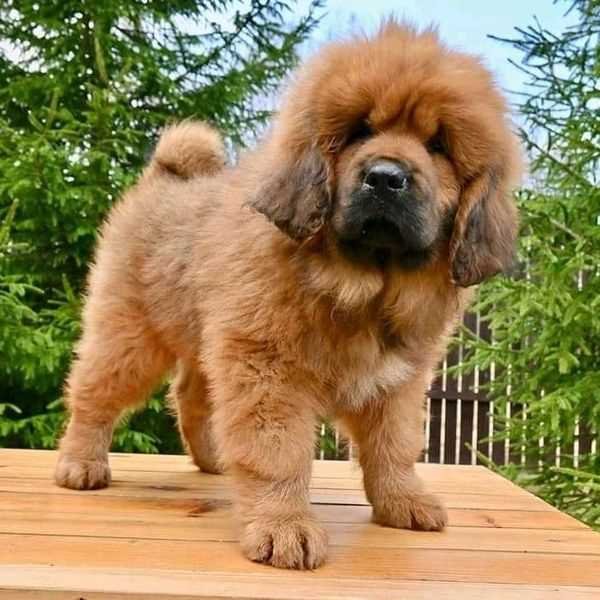
Tibetan Mastiff Pup
Apr
Tibetan Mastiff Pup, A tibetan mastiff pup is one of the most fascinating and majestic puppies in the dog world. Known for its massive size, lion-like mane, and ancient guardian instincts, this breed attracts dog lovers who want a loyal but powerful companion. However, raising a Tibetan Mastiff puppy is very different from raising an average pet dog—it requires knowledge, patience, and proper preparation.
Origin of the Tibetan Mastiff
The Tibetan Mastiff comes from the Himalayan region, where it was originally bred to protect livestock and monasteries from predators such as wolves and snow leopards. Today, the breed is still known for its strong guarding instincts and independence.
Tibetan Mastiff is one of the oldest and most respected guardian breeds in the world.
What a Tibetan Mastiff Pup Looks Like
A tibetan mastiff pup is fluffy, oversized even as a baby, and surprisingly confident. Some key features include:
- Thick double coat (often black, brown, gold, or mixed)
- Large paws from an early age
- Deep-set eyes with an alert expression
- A strong, sturdy bone structure
Even as puppies, they often look like small bear cubs, which makes them incredibly appealing to dog lovers.
Temperament of a Tibetan Mastiff Pup
Although adorable, a tibetan mastiff pup is not a typical “cuddly” puppy. Their temperament includes:
- Independent thinking
- Strong protective instincts
- Loyalty to family but suspicion toward strangers
- Calm indoors but alert outdoors
Early socialization is crucial because without it, they may become overly territorial as adults.
Training Challenges and Tips
Training a tibetan mastiff pup can be both rewarding and challenging. They are intelligent but not always eager to obey.
Here are some effective tips:
1. Start early training
Begin obedience training as soon as the puppy comes home.
2. Be consistent
They respond better to firm, consistent leadership rather than harsh punishment.
3. Socialize widely
Expose them to different people, sounds, and environments.
4. Use positive reinforcement
Treats, praise, and rewards work better than force.
Diet and Growth Needs
A tibetan mastiff pup grows quickly into a giant breed, so nutrition is extremely important. They require:
- High-protein puppy food
- Controlled calcium levels for joint health
- Regular feeding schedule (avoid overfeeding)
Overfeeding can lead to bone and joint issues later in life.
Exercise Requirements
Unlike high-energy working dogs, a tibetan mastiff pup does not need constant activity. However, they still require:
- Daily walks
- Moderate playtime
- Mental stimulation
Too much forced exercise at a young age can harm their developing joints.
Is a Tibetan Mastiff Pup Right for You?
Before adopting a tibetan mastiff pup, consider the following:
✔ You have enough space (preferably a large yard)
✔ You can handle a strong-willed giant breed
✔ You have experience with dogs or are willing to learn
✔ You can commit time to training and socialization
This breed is not ideal for first-time dog owners or small apartments.
Final Thoughts
A tibetan mastiff pup is not just a pet—it is a long-term commitment to raising one of the most powerful and ancient guardian breeds in the world. With proper training, care, and respect, they grow into loyal and protective companions that deeply bond with their families.
You Might Also Like These:
most expensive dog tibetan mastiff biggest dog in the world
