
Uncategorized
Purebred Tibetan Mastiff
Apr
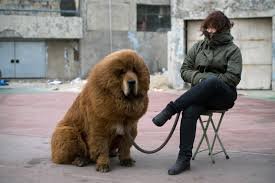
Purebred Tibetan Mastiff, The purebred Tibetan Mastiff is one of the most legendary and powerful dog breeds in the world. Known for its massive size, thick coat, and protective instincts, this ancient guardian dog has been associated with the Himalayan regions of Tibet, Nepal, and parts of China for centuries. Today, it remains highly admired for its imposing appearance, loyalty, and strong guarding abilities.
Origin and History of the Purebred Tibetan Mastiff
The Tibetan Mastiff is believed to be one of the oldest working dog breeds, originally bred by nomadic cultures in the Himalayas. Its primary role was to protect livestock such as sheep and yaks from predators like wolves, leopards, and bears.
Unlike modern companion breeds, the purebred Tibetan Mastiff developed in isolation, adapting to harsh mountain climates. This isolation helped preserve its original genetic traits, making it a truly ancient and distinct breed even today.
Historically, these dogs were so valued that they were often gifted to royalty and travelers along the Silk Road. Their reputation as fearless guardians continues to define them.
Physical Characteristics of a Purebred Tibetan Mastiff
A true purebred Tibetan Mastiff is instantly recognizable due to its large, powerful build and thick double coat. Some key physical traits include:
- Size: Males typically weigh between 45–73 kg or more
- Height: Can stand 24–30 inches at the shoulder
- Coat: Dense double coat, especially thick around the neck (forming a mane-like appearance)
- Colors: Black, brown, blue-gray, gold, and combinations with tan markings
- Tail: Heavily feathered and curled over the back
Their lion-like appearance often leads people to mistake them for wild animals at first glance.
Temperament and Behavior
Despite their intimidating appearance, the purebred Tibetan Mastiff is known for being calm, independent, and highly protective of its family. However, it is not a breed for inexperienced dog owners.
Key behavioral traits include:
- Strong guarding instinct: Naturally protective of home and family
- Independent thinking: Often makes decisions without human direction
- Loyalty: Deeply bonded with its owners
- Reserved with strangers: Can be aloof or suspicious of unfamiliar people
- Low obedience drive: Requires patient and consistent training
Because of its strong-willed nature, early socialization is essential to ensure balanced behavior.
Training and Socialization
Training a purebred Tibetan Mastiff requires patience, consistency, and confidence. Unlike highly obedient breeds, this dog does not respond well to harsh training methods.
Effective training tips include:
- Start socialization early with people and other animals
- Use positive reinforcement techniques
- Establish leadership without aggression
- Provide clear boundaries from a young age
- Avoid repetitive or boring training sessions
Due to its intelligence and independence, the breed often evaluates commands before obeying them.
Exercise and Living Requirements
Although large and powerful, the Tibetan Mastiff does not require excessive exercise. However, it does need space and mental stimulation.
Ideal living conditions:
- Large fenced yard or rural environment
- Moderate daily walks
- Secure fencing due to territorial instincts
- Minimal confinement indoors
This breed is not well-suited for apartment living or small urban spaces.
Health and Lifespan
The purebred Tibetan Mastiff is generally a hardy breed, but it can still be prone to certain health issues such as:
- Hip dysplasia
- Hypothyroidism
- Eye conditions (like entropion)
Average lifespan is around 10–14 years, depending on genetics, diet, and care.
Conclusion
The purebred Tibetan Mastiff is not just a dog—it is a living piece of history. With its ancient lineage, powerful physique, and unmatched guarding instincts, it remains one of the most fascinating breeds in the world. However, it requires an experienced and responsible owner who understands its independent nature and strong protective instincts.
You Might Also Like These:
chinese tibetan mastiff for sale uk
tibetan mastiff for sale in uk
