
Apr
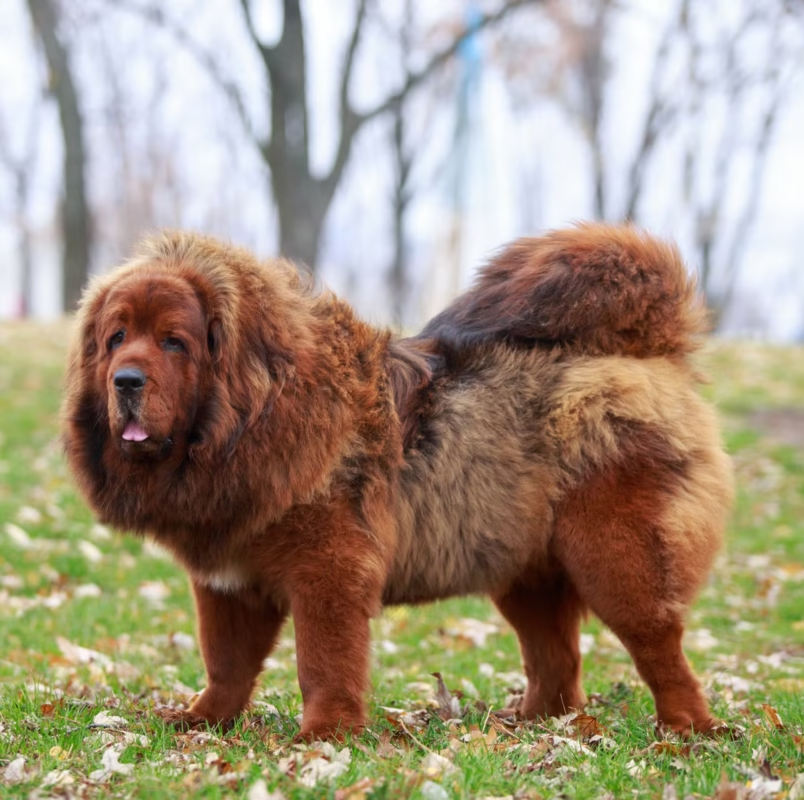
History Of The Tibetan Mastiff, History Of The Tibetan Mastiff, The history of the Tibetan Mastiff is as fascinating and majestic as the breed itself. Known for its massive size, thick coat, and fearless personality, the Tibetan Mastiff is one of the oldest and most respected dog breeds in the world. For centuries, this noble guardian has lived in the harsh mountains of Tibet, protecting homes, monasteries, and livestock from predators.
Ancient Origins of the Tibetan Mastiff
When exploring the history of the Tibetan Mastiff, many experts believe this breed dates back thousands of years. Some historians suggest that Tibetan Mastiffs may be ancestors of many modern mastiff and mountain dog breeds. Their lineage is thought to stretch back to ancient Central Asia, where large guardian dogs were highly valued for strength and loyalty.
The remote Himalayan region helped preserve the breed’s purity for centuries. Because Tibet was isolated from much of the world, Tibetan Mastiffs developed naturally with minimal outside influence.
Role in Tibetan Culture
A key part of the history of the Tibetan Mastiff is its deep connection to Tibetan life and culture. Nomadic tribes and villagers relied on these dogs to guard sheep, yaks, and homes from wolves, leopards, and intruders. Monks also kept Tibetan Mastiffs at monasteries, where they served as watchful protectors.
The breed was considered a symbol of strength and status. Wealthy families often prized these dogs because owning one showed power and prestige.
Tibetan Mastiffs in Ancient Travel Records
The history of the Tibetan Mastiff appears in records from early travelers and explorers. Famous figures such as Marco Polo described large Tibetan dogs with lion-like appearances and powerful voices. These accounts introduced the breed to the Western world and increased curiosity about the mysterious dogs of Tibet.
Although descriptions were sometimes exaggerated, they highlighted the breed’s impressive presence and fearless nature.
Arrival in Europe
An important chapter in the history of the Tibetan Mastiff began in the 19th century when the breed was brought to Europe. In 1847, one of the first Tibetan Mastiffs was gifted to Queen Victoria of England. Later, more dogs were imported by British nobility, helping establish interest in the breed outside Asia.
During this period, breeders admired the Tibetan Mastiff for its unusual appearance, intelligence, and guarding instincts.
Modern Recognition
The modern history of the Tibetan Mastiff includes recognition by kennel clubs around the world. Organizations such as the American Kennel Club officially recognized the breed, increasing its popularity among dog enthusiasts.
Today, Tibetan Mastiffs are admired for their beauty, independence, and protective nature. While still relatively rare, they are sought after by owners who appreciate strong and loyal guardian breeds.
Characteristics Shaped by History
Understanding the history of the Tibetan Mastiff helps explain its personality. Living in cold mountains created the breed’s thick double coat, while centuries of guarding developed its alert and independent temperament.
Unlike some companion breeds, Tibetan Mastiffs are naturally reserved with strangers and highly devoted to their families.
Conclusion
The history of the Tibetan Mastiff tells the story of an ancient guardian shaped by the rugged Himalayas and centuries of loyal service. From protecting Tibetan monasteries to becoming admired worldwide, this remarkable breed continues to capture hearts with its strength, dignity, and timeless presence.
You Might Also Like These:
giant tibetan mastiff for sale
