
Uncategorized
Tibetan Mastiff Mastiff
Apr
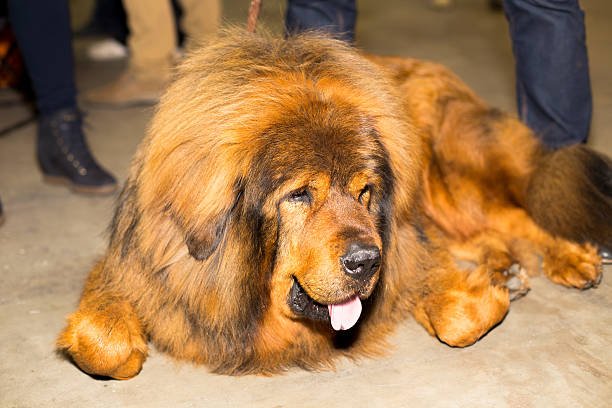
Tibetan Mastiff Mastiff, The tibetan mastiff mastiff is one of the most powerful, loyal, and ancient dog breeds in the world. Known for its imposing size, thick coat, and strong protective instincts, this breed has been revered for centuries as a guardian of livestock, monasteries, and homes. If you’re considering owning one or simply want to learn more, this comprehensive guide covers everything you need to know.
Origin and History
The Tibetan Mastiff originates from the Himalayan regions of Tibet, Nepal, and northern India. Historically, these dogs were used by nomadic tribes and monks to guard sheep from predators like wolves and leopards. Their lineage dates back thousands of years, making them one of the oldest known working breeds.
The term “mastiff” in tibetan mastiff mastiff emphasizes its classification within the mastiff family—large, strong, and protective dogs bred for guarding purposes.
Physical Characteristics
The tibetan mastiff mastiff is easily recognizable due to its impressive appearance:
- Size: Large and muscular, males can weigh between 90–150 pounds (40–68 kg)
- Coat: Thick double coat, ideal for cold climates
- Colors: Black, brown, blue-gray, and gold, often with tan markings
- Mane: Males often develop a lion-like mane around their neck
Their powerful build and regal stance make them both intimidating and beautiful.
Temperament and Personality
The tibetan mastiff mastiff is known for its unique personality traits:
- Loyal and Protective: Fiercely devoted to family
- Independent: Can be stubborn and strong-willed
- Reserved with Strangers: Naturally cautious, making them excellent guard dogs
- Calm but Alert: Quiet most of the time but highly vigilant
Unlike many breeds, Tibetan Mastiffs tend to think independently, which can make training both challenging and rewarding.
Training and Socialization
Training a tibetan mastiff mastiff requires patience and consistency:
- Start early socialization to prevent aggressive behavior
- Use positive reinforcement techniques
- Maintain firm but gentle leadership
- Avoid harsh punishment, as they respond poorly to it
Due to their intelligence and independence, they are not ideal for first-time dog owners.
Exercise and Living Conditions
Despite their size, the tibetan mastiff mastiff does not require excessive exercise:
- Daily walks and moderate playtime are sufficient
- They prefer large, secure spaces rather than small apartments
- Thrive in cooler climates due to their thick coat
They are naturally nocturnal and tend to be more active at night, often patrolling their territory.
Grooming and Care
Maintaining a tibetan mastiff mastiff involves regular grooming:
- Brush their coat 2–3 times a week
- Expect heavy shedding during seasonal changes
- Bathe occasionally, as their coat is naturally odor-resistant
- Regular nail trimming and dental care are essential
Health and Lifespan
The tibetan mastiff mastiff is generally a healthy breed, but like all dogs, it can be prone to certain conditions:
- Hip dysplasia
- Thyroid issues
- Eye disorders
Average lifespan: 10–14 years
Proper diet, regular vet checkups, and exercise can help maintain their health.
Is the Tibetan Mastiff Mastiff Right for You?
This breed is best suited for:
- Experienced dog owners
- Families with large homes or open spaces
- Those seeking a strong guard dog
They may not be ideal for:
- Apartment living
- First-time dog owners
- People looking for highly obedient pets
Conclusion
The tibetan mastiff mastiff is a remarkable breed combining strength, loyalty, and ancient heritage. While they require dedicated care and experienced handling, their unmatched devotion and guarding ability make them truly special companions. If you’re ready for the responsibility, owning a Tibetan Mastiff can be an incredibly rewarding experience.
You Might Also Like These:
