
Uncategorized
Tibetan Mastiff Dogs
Apr
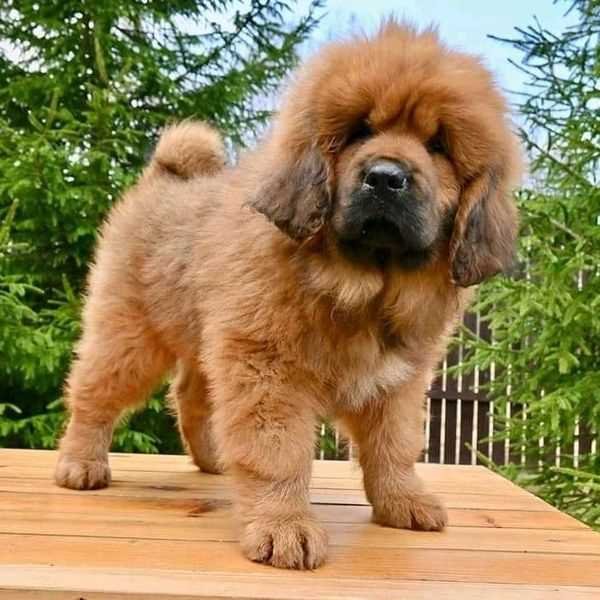
Tibetan Mastiff Dogs, Tibetan Mastiff dogs are among the most impressive and ancient dog breeds in the world. Known for their massive size, thick coats, and strong protective instincts, these dogs have captured the fascination of dog lovers globally. Originating from the rugged Himalayan regions, Tibetan Mastiffs are not just pets—they are powerful guardians with a rich history and unique personality.
Origin and History of Tibetan Mastiff Dogs
The Tibetan Mastiff is believed to have originated thousands of years ago in Tibet, Nepal, and surrounding Himalayan areas. Traditionally, they were bred by nomadic tribes and monks to guard livestock, monasteries, and homes against predators such as wolves and leopards.
Their isolation in mountainous regions helped preserve their pure lineage, making Tibetan Mastiff dogs one of the oldest and most primitive breeds still in existence today.
Physical Characteristics
Tibetan Mastiff dogs are known for their commanding appearance. Some of their key features include:
- Large Size: Adult males can weigh between 40–70 kg (90–150 lbs)
- Thick Double Coat: Designed to withstand extreme cold
- Lion-like Mane: Especially prominent in males
- Strong Build: Muscular and well-balanced body
- Variety of Colors: Black, brown, gold, and combinations with tan markings
Their majestic look often gives them a regal, almost mythical presence.
Temperament and Personality
Despite their intimidating size, Tibetan Mastiff dogs are known for their calm and independent nature. However, they are not typical companion dogs.
Key personality traits:
- Highly Protective: Natural guard dogs with strong territorial instincts
- Loyal: Deeply devoted to their family
- Independent Thinkers: Can be stubborn and require experienced handling
- Reserved with Strangers: Not overly friendly with unfamiliar people
- Quiet but Alert: Bark mainly when they sense danger
Because of their independent mindset, Tibetan Mastiffs are best suited for experienced dog owners.
Training and Socialization
Training Tibetan Mastiff dogs can be challenging due to their strong-willed nature. Early socialization is essential to ensure they grow into well-behaved adults.
Training tips:
- Start training at a young age
- Use consistent and firm commands
- Avoid harsh punishment
- Introduce them to different people and environments early
Patience and consistency are key when raising this breed.
Exercise and Living Needs
Unlike many large breeds, Tibetan Mastiff dogs do not require excessive exercise. However, they do need space and mental stimulation.
- Daily walks are sufficient
- Prefer large, secure yards over apartments
- Thrive in cooler climates
- Tend to be more active at night
They are not ideal for small urban living spaces due to their size and guarding instincts.
Grooming Requirements
Their thick coat requires regular maintenance:
- Brush 2–3 times per week
- Heavy shedding occurs seasonally
- Occasional baths are enough
- Regular ear and nail care is important
Proper grooming helps maintain their majestic appearance and overall health.
Health and Lifespan
Tibetan Mastiff dogs are generally healthy but can be prone to certain conditions:
- Hip dysplasia
- Hypothyroidism
- Eye issues
Their average lifespan is around 10–14 years, which is quite good for a large breed.
Is a Tibetan Mastiff Right for You?
Tibetan Mastiff dogs are not suitable for everyone. They require:
- Experienced ownership
- Space and security
- Time for training and socialization
However, for those who understand their needs, they make incredibly loyal and protective companions.
Conclusion
Tibetan Mastiff dogs are more than just pets—they are symbols of strength, loyalty, and ancient heritage. With their majestic appearance and strong guarding instincts, they stand out as one of the most unique dog breeds in the world. If you are looking for a powerful and devoted guardian, the Tibetan Mastiff could be the perfect addition to your life.
