
Uncategorized
Tibetan Mastiffs
Apr
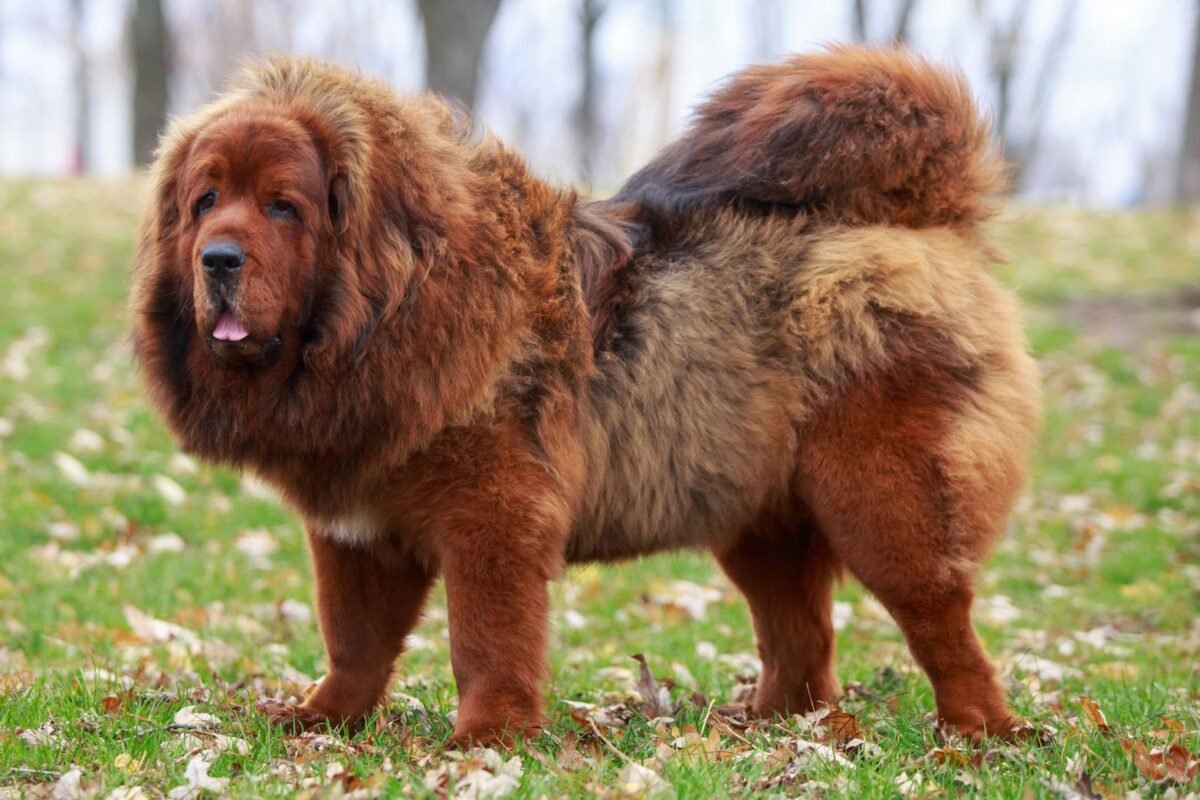
Tibetan Mastiffs, The Tibetan Mastiffs are among the most impressive and ancient dog breeds in the world. Known for their massive size, thick double coat, and lion-like appearance, these dogs have captured the fascination of dog lovers and historians alike. Originating from the Himalayan region, Tibetan Mastiffs have long been valued as guardians of livestock and property.
Origins and History
Tibetan Mastiffs trace their roots back thousands of years to the mountainous regions of Tibet, Nepal, and northern India. They were traditionally used by nomadic tribes and monks to protect sheep from predators such as wolves and leopards. Because of their isolation in the harsh Himalayan environment, the breed remained relatively pure and unchanged over centuries.
These dogs were so highly regarded that they were often gifted to royalty and dignitaries, helping spread their reputation across Asia and eventually to Europe.
Physical Characteristics
Tibetan Mastiffs are known for their powerful build and imposing presence. Adult males can weigh between 90 to 150 pounds or more, while females are slightly smaller. Their most striking features include:
- Thick, weather-resistant double coat
- Large, muscular frame
- Broad head with expressive eyes
- Mane-like fur around the neck (especially in males)
Their coat colors vary widely, including black, brown, blue-gray, and gold, often with tan markings.
Temperament and Personality
Despite their intimidating appearance, Tibetan Mastiffs are known for being loyal and protective companions. They are:
- Highly intelligent
- Independent thinkers
- Strong-willed and sometimes stubborn
- Deeply devoted to their family
However, they are naturally wary of strangers, making them excellent guard dogs. Early socialization and consistent training are essential to ensure they develop into well-mannered pets.
Care and Maintenance
Owning a Tibetan Mastiff requires commitment and understanding of their unique needs:
Grooming
Their thick coat requires regular brushing, especially during seasonal shedding periods. Fortunately, they are relatively clean dogs with minimal odor.
Exercise
While not overly hyperactive, they need daily exercise and space to roam. They are best suited for homes with large yards rather than small apartments.
Diet
A balanced, high-quality diet is essential to maintain their health and support their large size.
Health Considerations
Tibetan Mastiffs are generally healthy but can be prone to certain conditions such as:
- Hip and elbow dysplasia
- Hypothyroidism
- Eye disorders
Regular veterinary checkups and responsible breeding practices help reduce these risks.
Is a Tibetan Mastiff Right for You?
The Tibetan Mastiff is not a breed for first-time dog owners. Their independence and protective nature require an experienced handler who can provide firm yet patient training. They thrive in environments where they have space, purpose, and a strong bond with their family.
Conclusion
The Tibetan Mastiff is a symbol of strength, loyalty, and ancient heritage. With proper care, training, and respect for their instincts, they can be incredible companions and guardians. For those prepared to meet their needs, Tibetan Mastiffs offer a unique blend of beauty, intelligence, and unwavering devotion.
You Might Also Like These:
