
Uncategorized
Mastiff Tibetan Dog
Apr
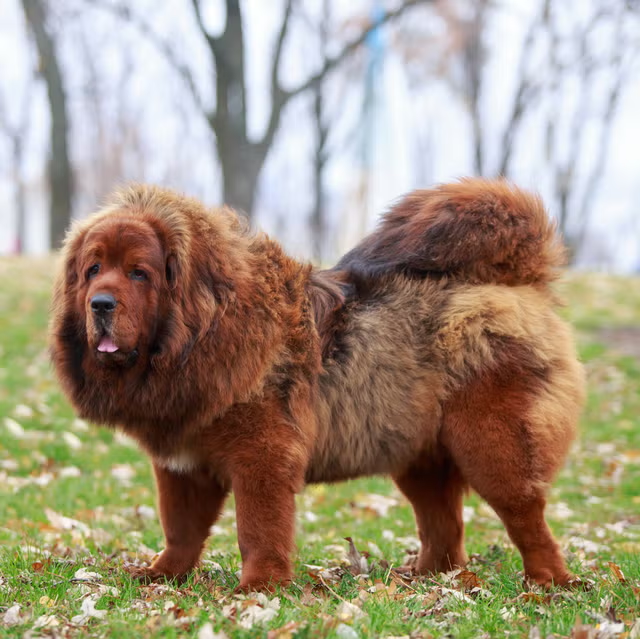
Mastiff Tibetan Dog, The mastiff Tibetan dog, more commonly known as the Tibetan Mastiff, is one of the most ancient and powerful dog breeds in the world. Renowned for its imposing size, thick coat, and fiercely loyal nature, this breed has captured the fascination of dog lovers and historians alike.
Origin and History
The mastiff Tibetan dog traces its roots back thousands of years to the Himalayan regions of Tibet, Nepal, and parts of India. Traditionally, these dogs were bred by nomadic tribes and monks to guard livestock and monasteries against predators like wolves and snow leopards.
Because of their isolation in remote mountainous areas, Tibetan Mastiffs remained relatively unchanged for centuries, preserving their primitive traits and strong guarding instincts.
Physical Characteristics
The mastiff Tibetan dog is known for its striking appearance:
- Size: Large and powerful, often weighing between 70–150 pounds or more
- Coat: Thick double coat designed for harsh climates
- Colors: Black, brown, blue-gray, and golden shades
- Mane-like fur: Especially around the neck, giving a lion-like look
Their strong build and majestic posture make them stand out as one of the most impressive dog breeds.
Temperament and Behavior
Despite their intimidating appearance, Tibetan Mastiffs have a calm and independent temperament. Key traits include:
- Loyalty: Deeply devoted to their family
- Protectiveness: Natural guardians, wary of strangers
- Independence: Often think for themselves, which can make training challenging
- Quiet nature: Not overly aggressive but highly alert
They are not typically suited for first-time dog owners due to their strong-willed personality.
Training and Socialization
Training a mastiff Tibetan dog requires patience and consistency. Early socialization is crucial to ensure they grow into well-balanced adults. Positive reinforcement techniques work best, as harsh methods can lead to stubborn behavior.
Owners should establish leadership early while respecting the dog’s independent nature.
Living Conditions
The Tibetan Mastiff thrives in environments that offer:
- Spacious outdoor areas
- Cooler climates (they do not tolerate heat well)
- A secure boundary, as they are territorial
They are not ideal for apartment living and prefer homes where they can perform their natural guarding role.
Diet and Health
A balanced diet rich in protein supports their large size and energy needs. Common health concerns include:
- Hip dysplasia
- Thyroid issues
- Eye conditions
Regular veterinary check-ups and proper nutrition can help maintain their overall well-being.
Why Choose a Mastiff Tibetan Dog?
Choosing a mastiff Tibetan dog means welcoming a loyal protector into your life. They are best suited for experienced dog owners who can handle their size, strength, and independent temperament.
While they require commitment, the reward is a deeply devoted companion with unmatched guarding instincts and a noble presence.
Conclusion
The mastiff Tibetan dog is more than just a pet—it is a symbol of strength, heritage, and loyalty. With proper care, training, and respect for its natural instincts, this magnificent breed can become a lifelong companion and protector.
You Might Also Like These:
tibetan mastiff puppies for adoption
tibetan mastiff price in china
